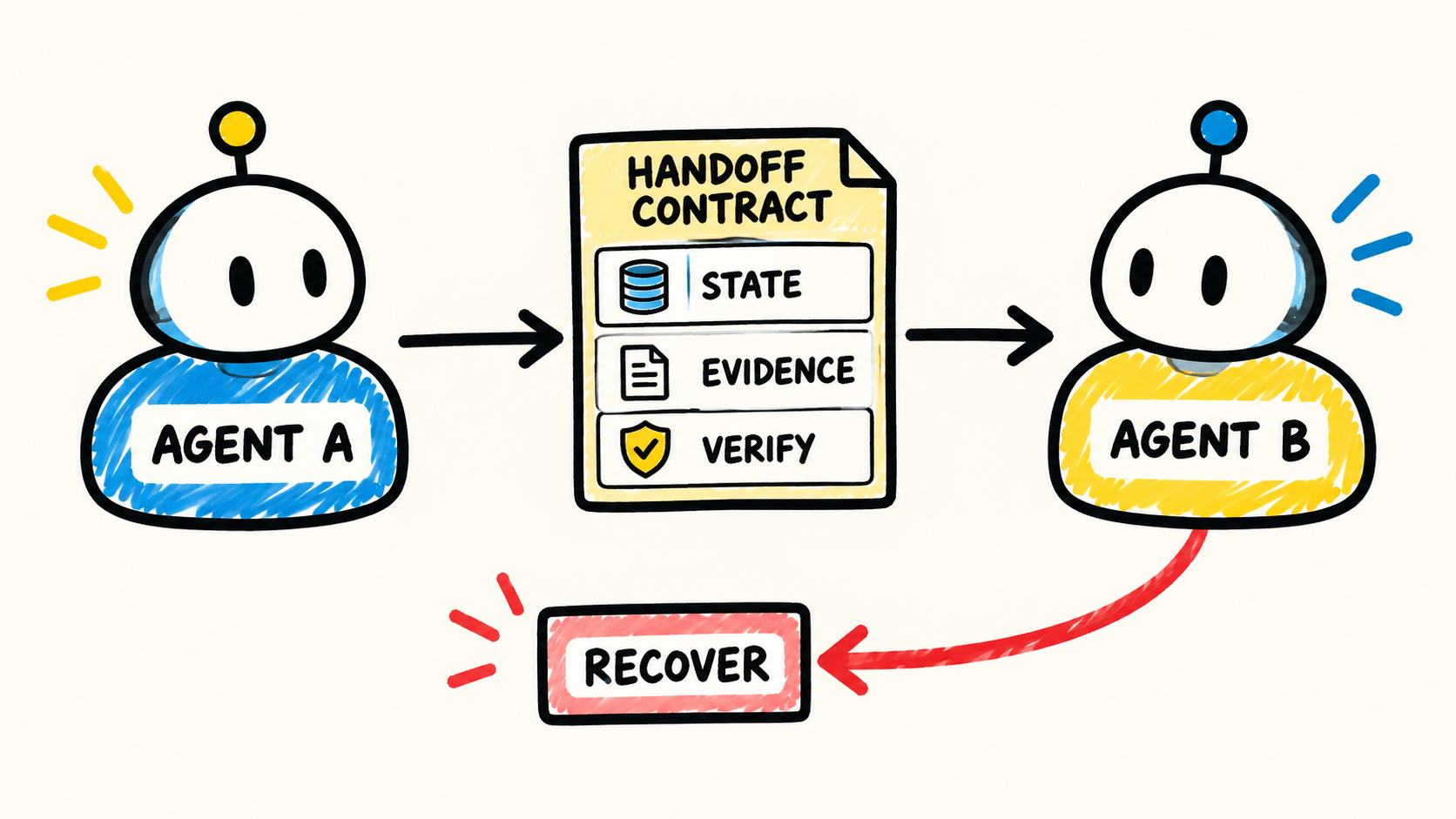
How to Design an AI Agent Handoff with Structured Context
Design AI agent handoffs with state, evidence, authority, and recovery without copying the whole history or trusting a vague summary.
Accepting new clients
You run the business.
I handle the software.
I'm Samuel Fajreldines, a senior software engineer. Growing U.S. businesses hire my team to become their software department, not a vendor they rehire every quarter. I set the technical direction, my team builds and ships, and I stay accountable for everything that goes out.
49 articles · practical guides & tutorials by Samuel Fajreldines
In-depth Artificial Intelligence articles, hands-on guides and tutorials by Samuel Fajreldines — 49 expert posts on Artificial Intelligence for software engineers.
Design AI agent handoffs with state, evidence, authority, and recovery without copying the whole history or trusting a vague summary.
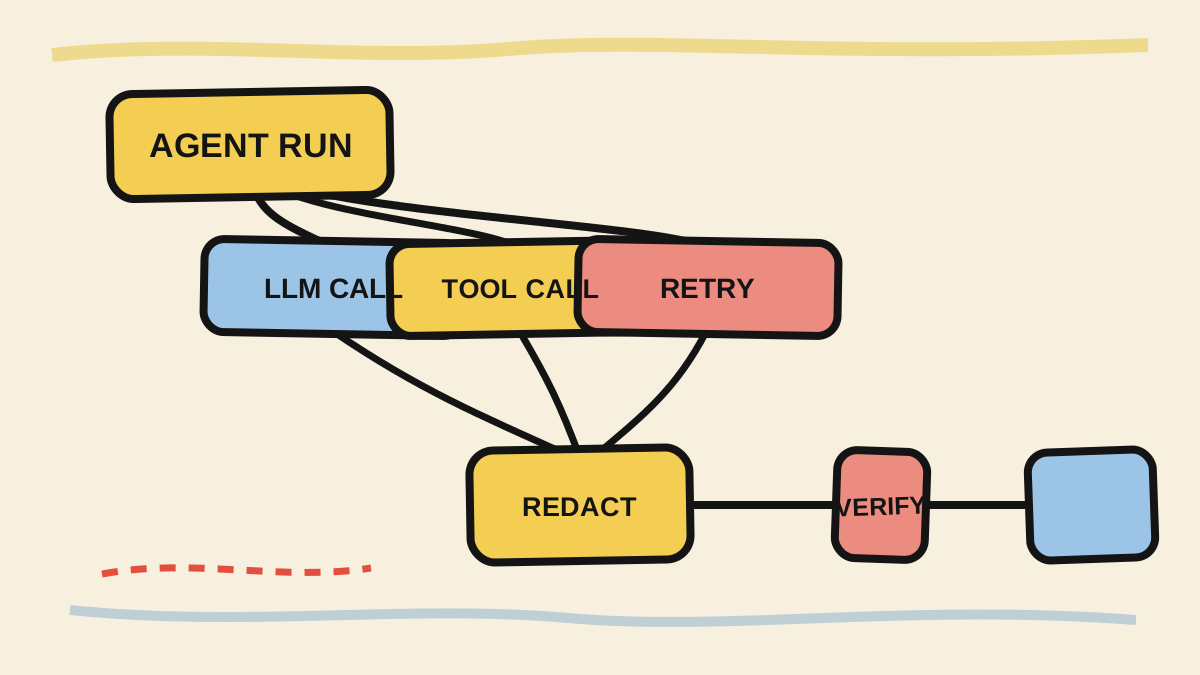
Build a useful AI agent trace that links runs, models, tools, retries, and errors without logging prompts or sensitive data by default during debugging.
Learn what an AI agent can summarize, what must live outside its history, and how to verify task state after context compaction.

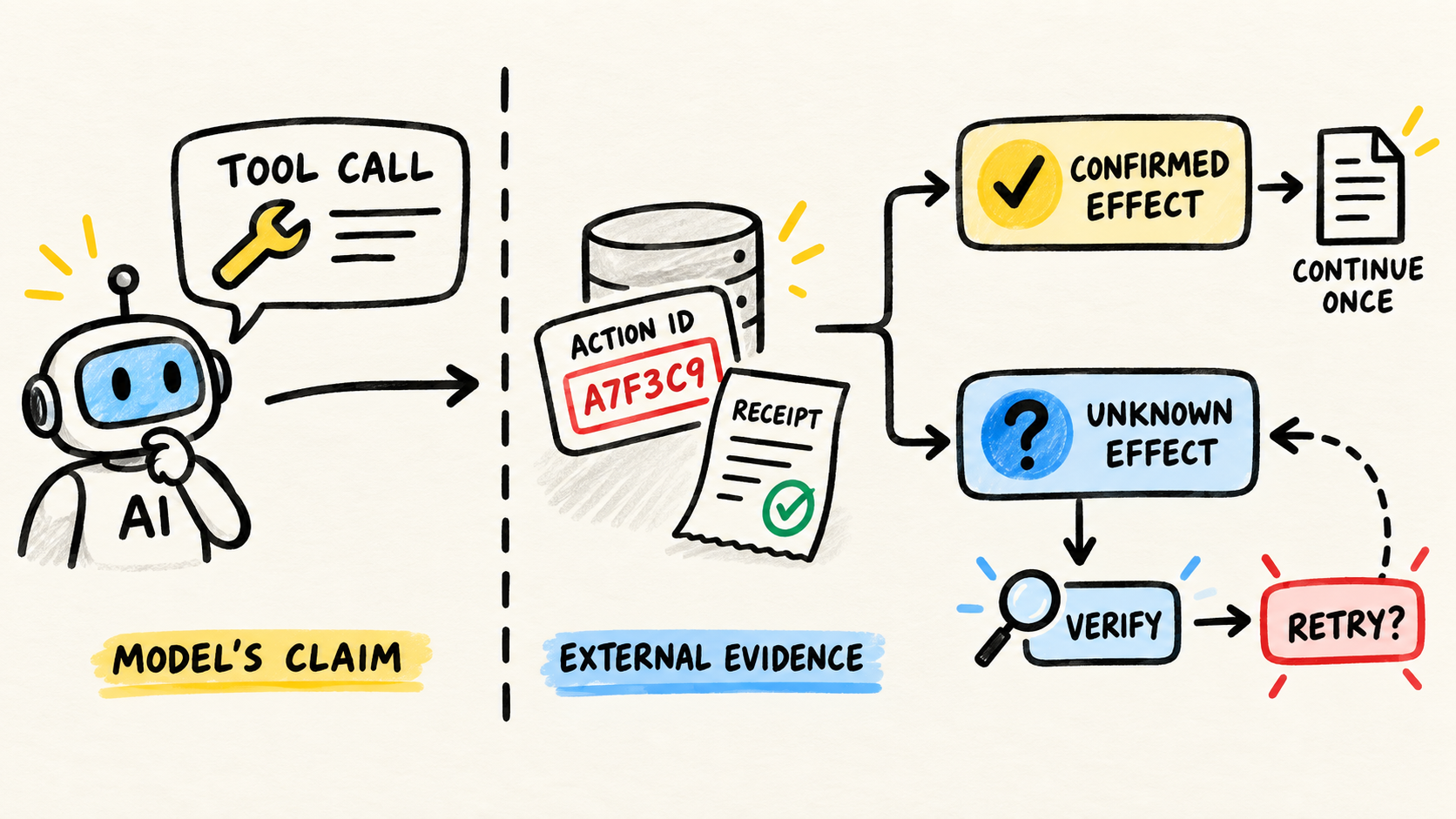
Learn how to verify an AI agent tool call after a timeout, record receipts, and retry side-effecting actions without creating duplicates.
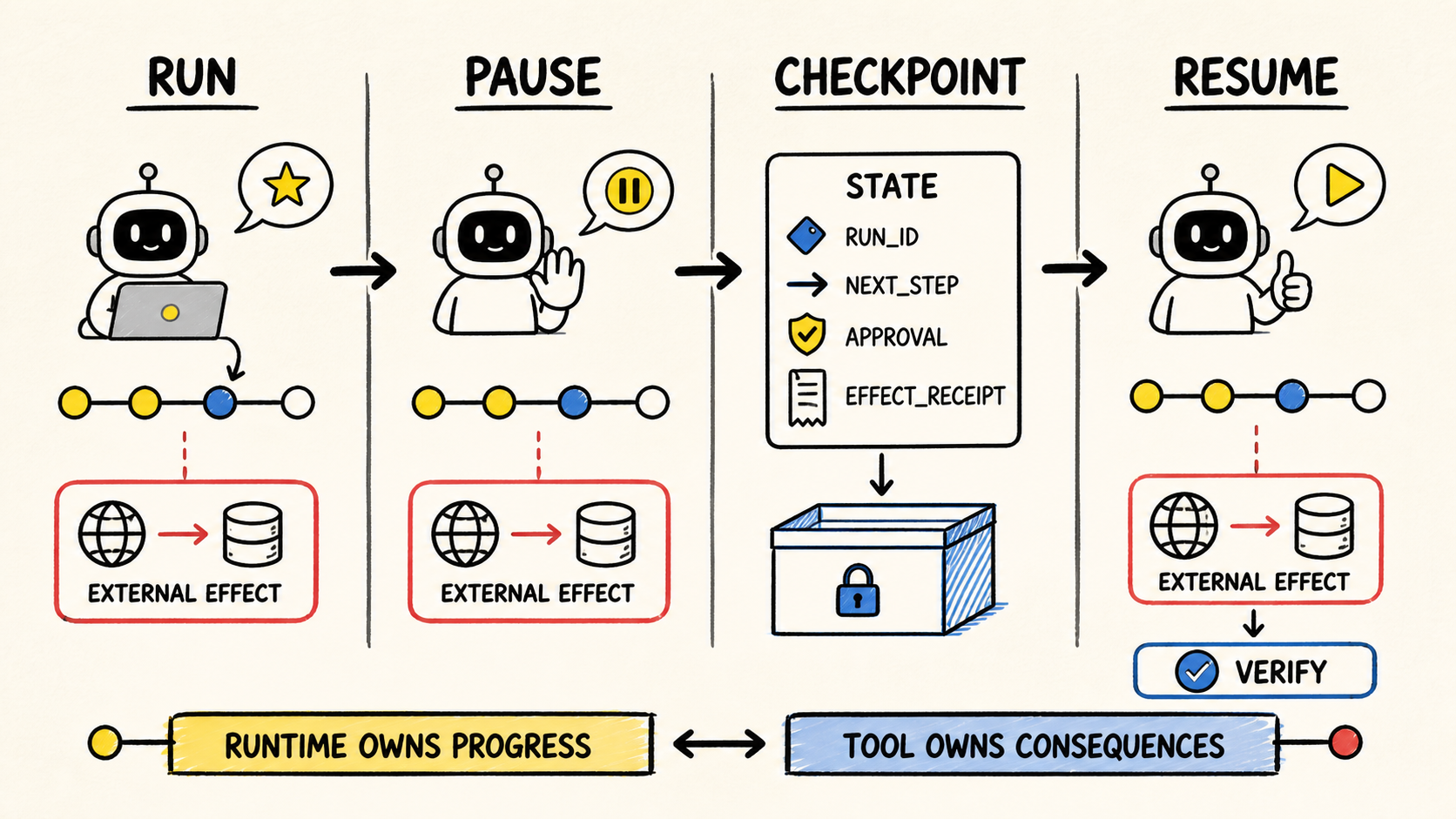
Learn to pause and resume AI agents with checkpoints, durable state, revalidated approvals, and external-effect reconciliation after interruptions safely.
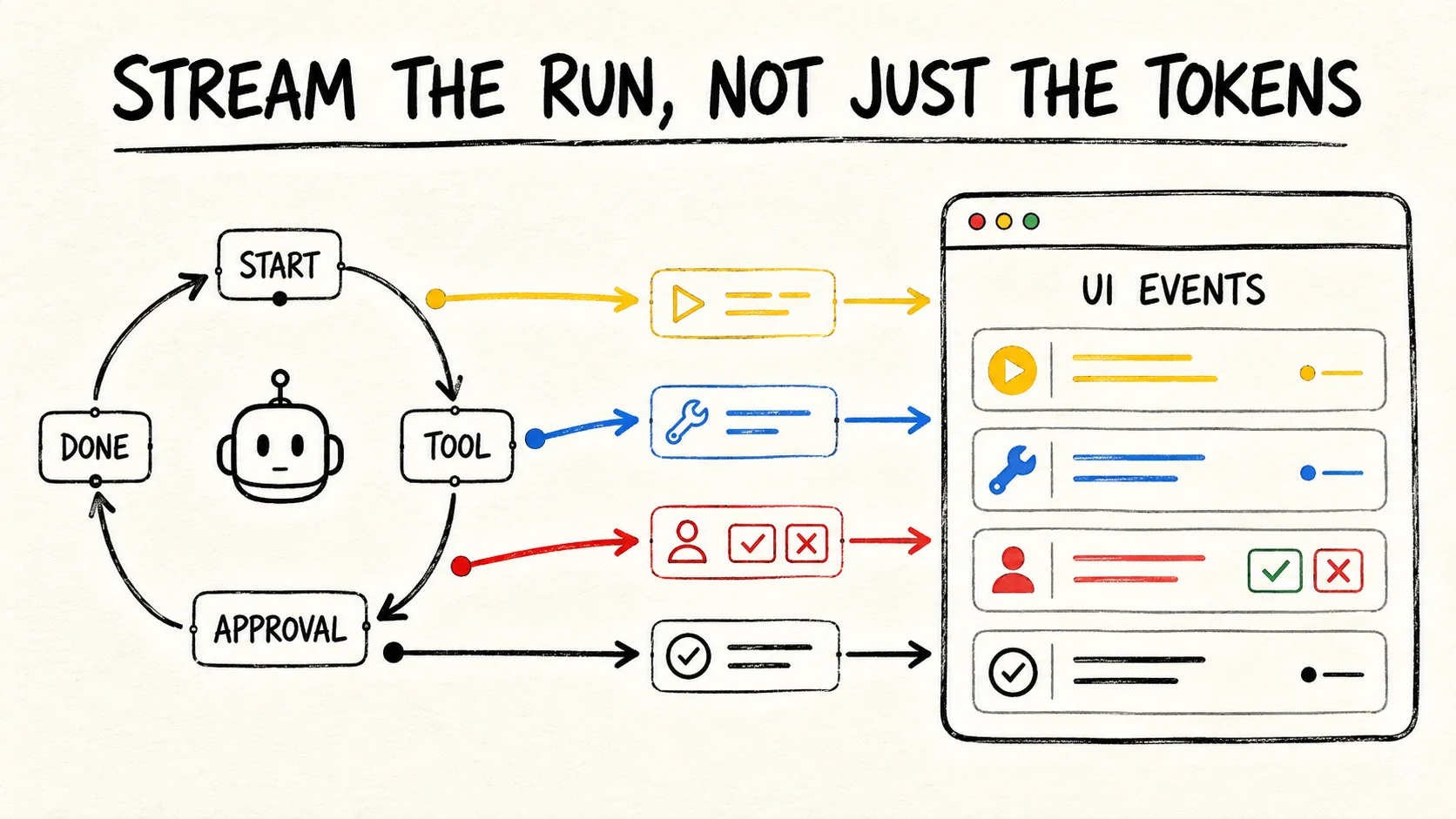
Learn to stream AI agent progress to a UI with typed events, SSE or WebSockets, reconnects, approvals, failures, and a reliable terminal state.
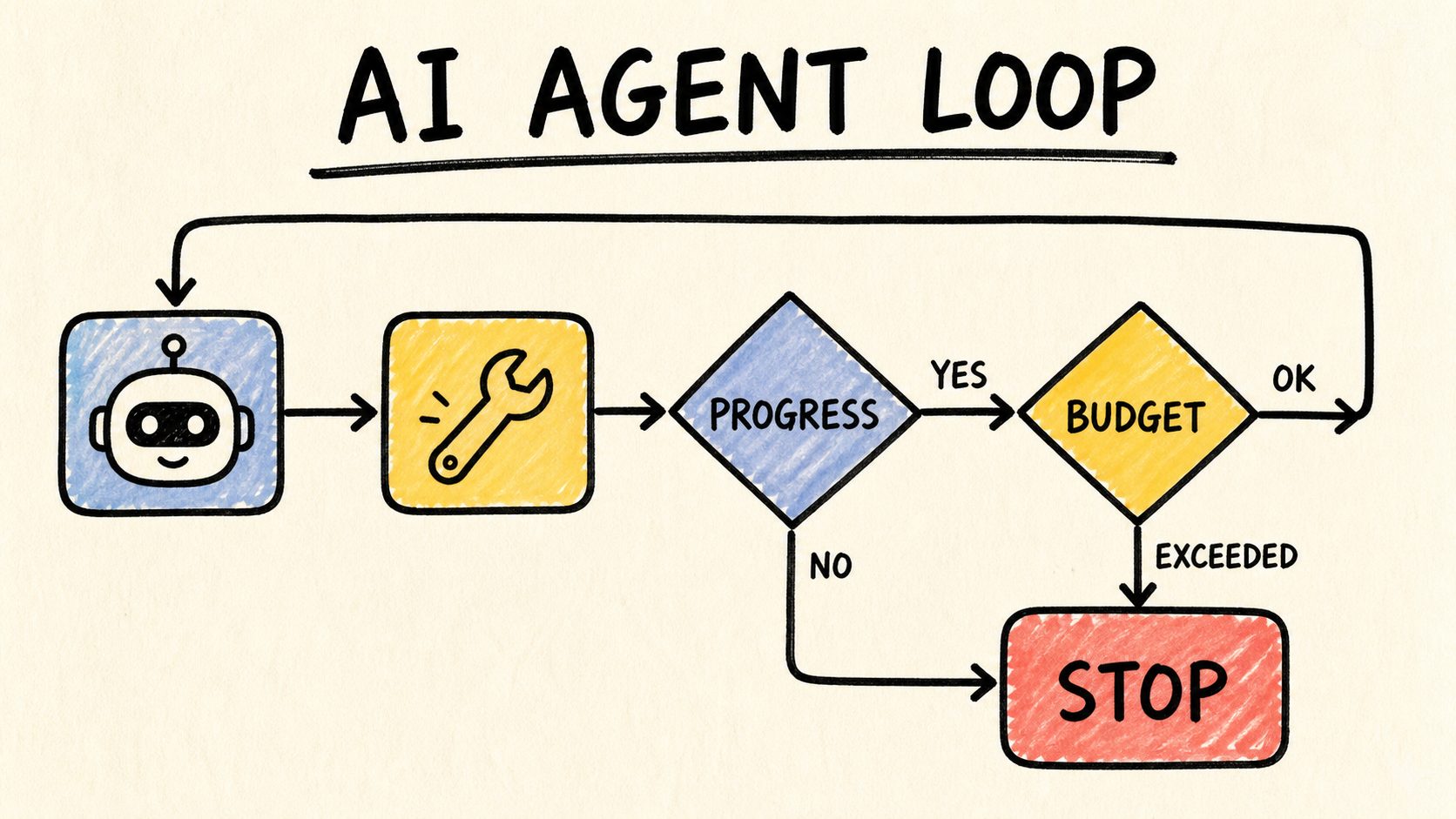
Prevent AI agent loops with 4 guardrails: completion, progress, budget, and a terminal state the runtime can explain and recover from in a production system.
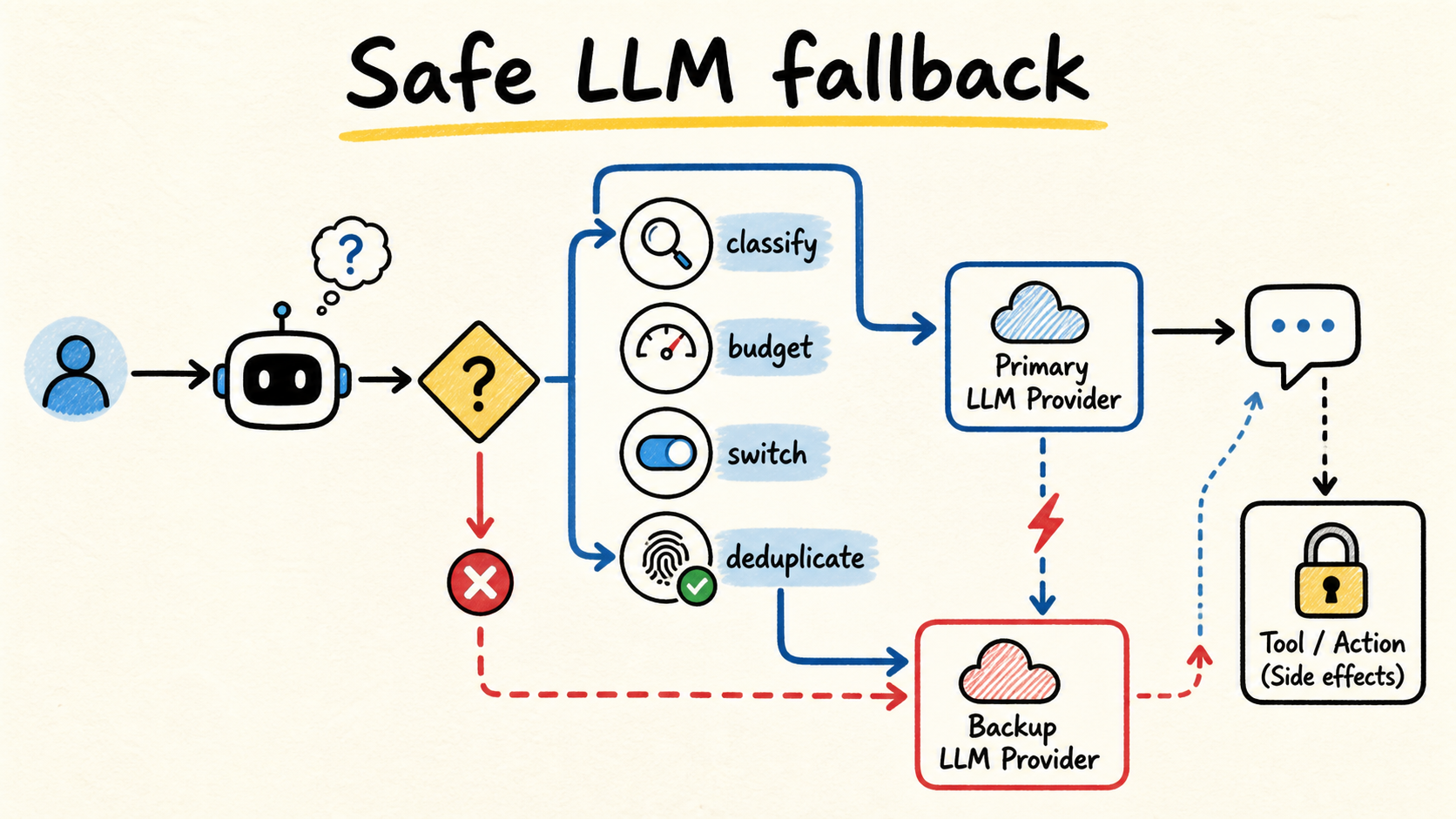
Design LLM retry, failover, and stop decisions without replaying tool calls, losing the output contract, or hiding cost, latency, and partial effects.
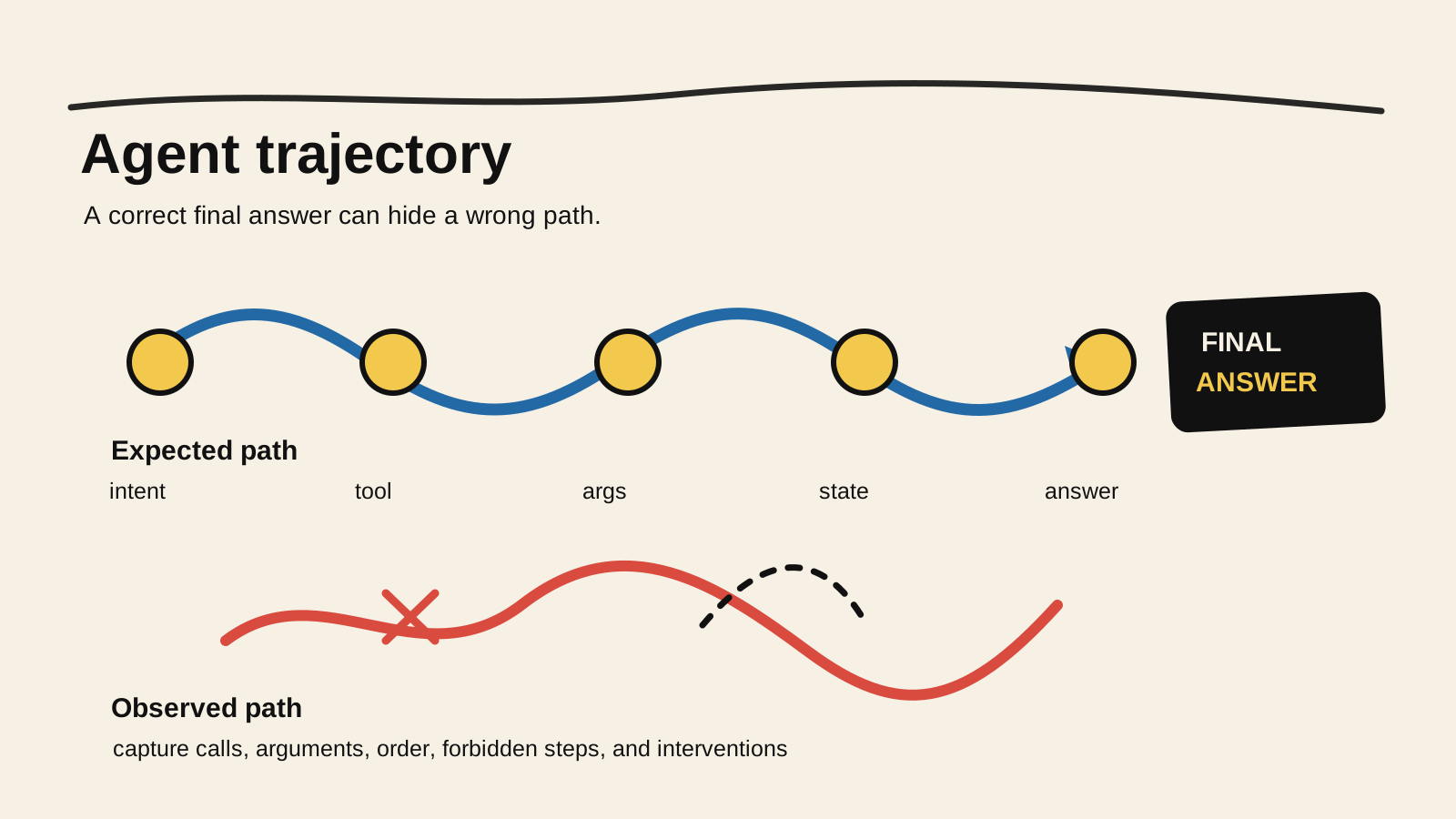
Learn how to evaluate an AI agent's trajectory by recording tools, arguments, order, state, and interventions before accepting its final answer.
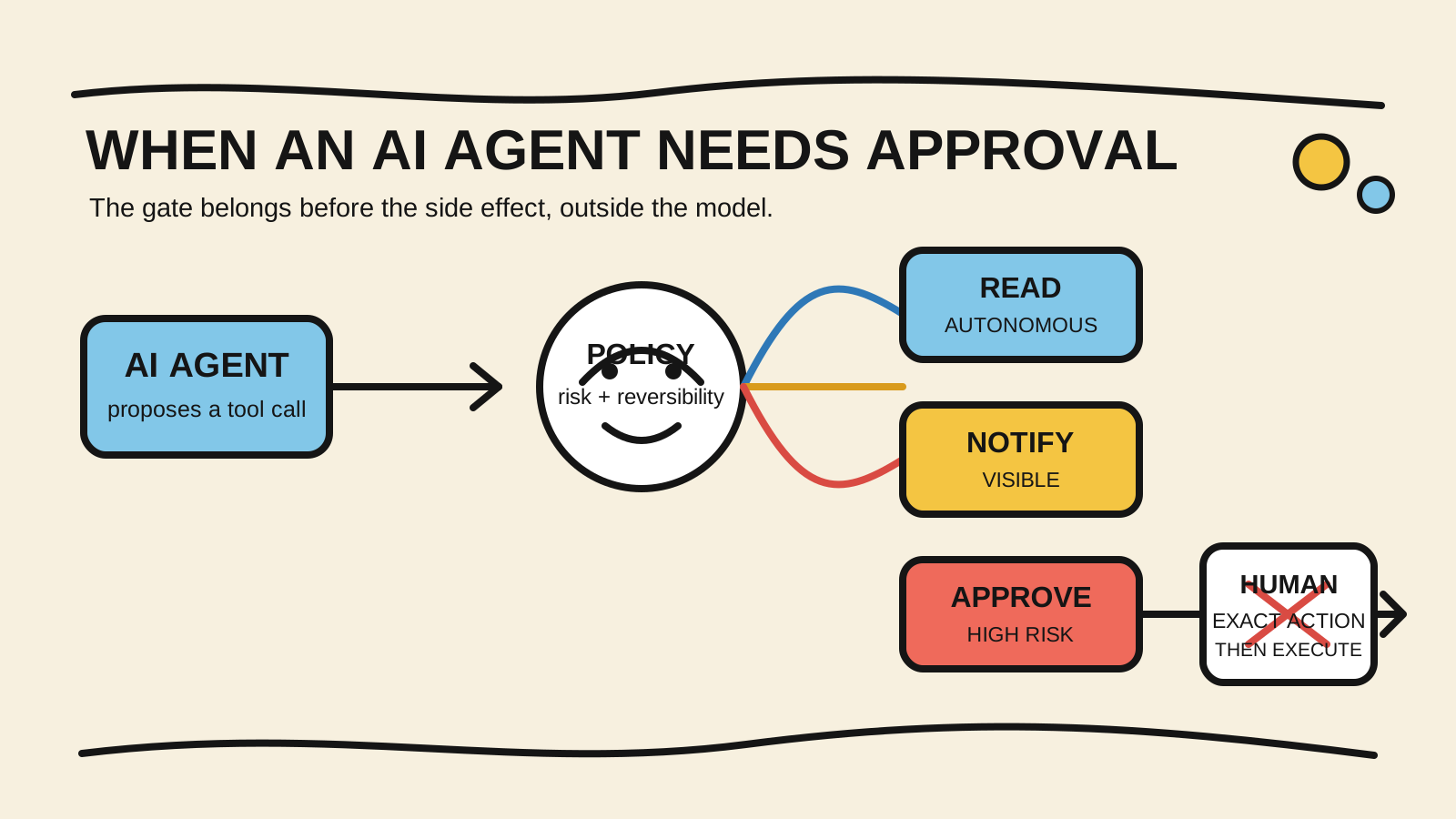
Learn when an AI agent should pause for human approval, how to classify tools by risk, and how to resume the run without duplicating side effects.
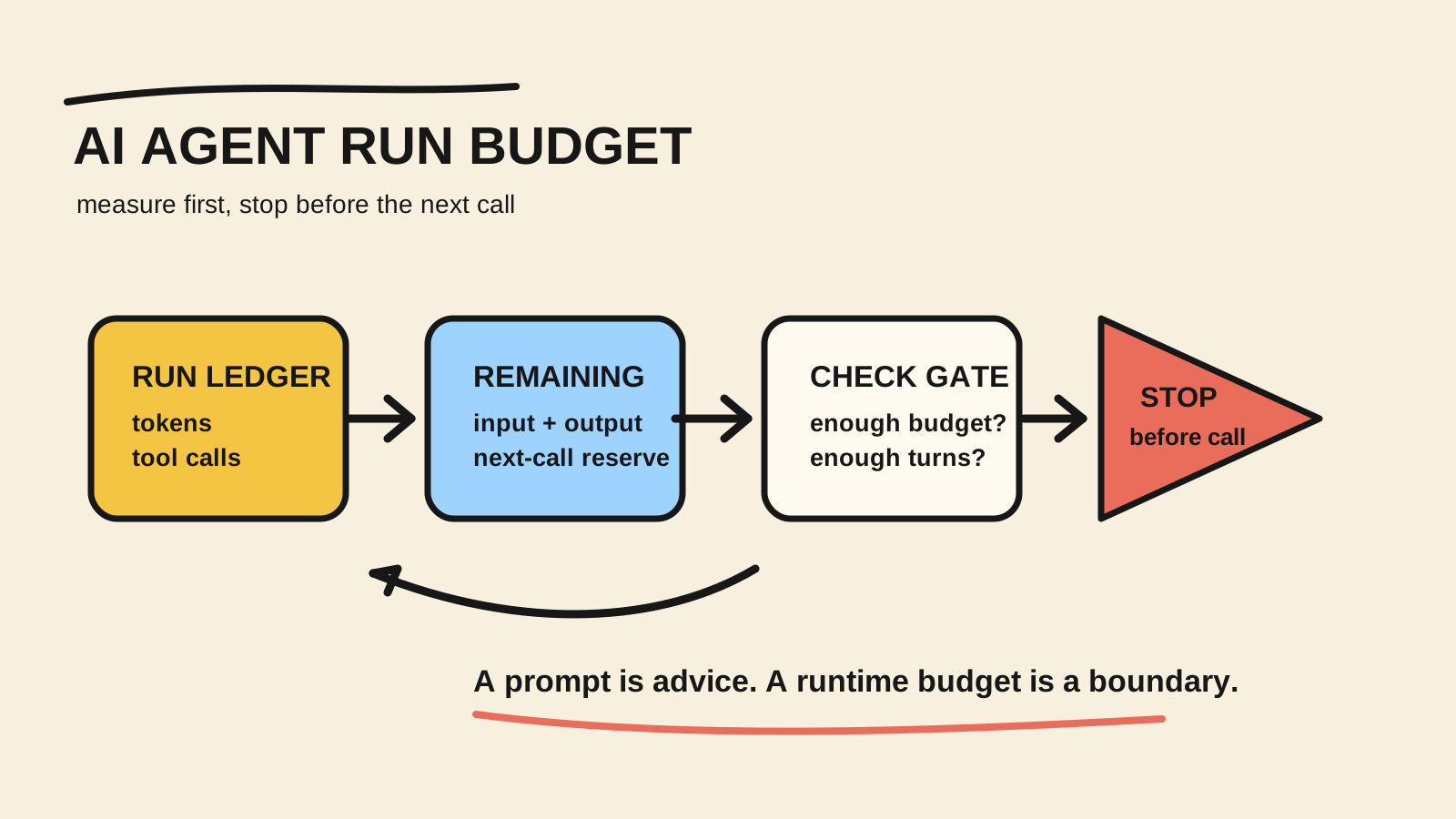
Learn how to cap tokens, tool calls, and turns per AI agent run with a TypeScript guard that stops before the next model call and records why the run stopped.
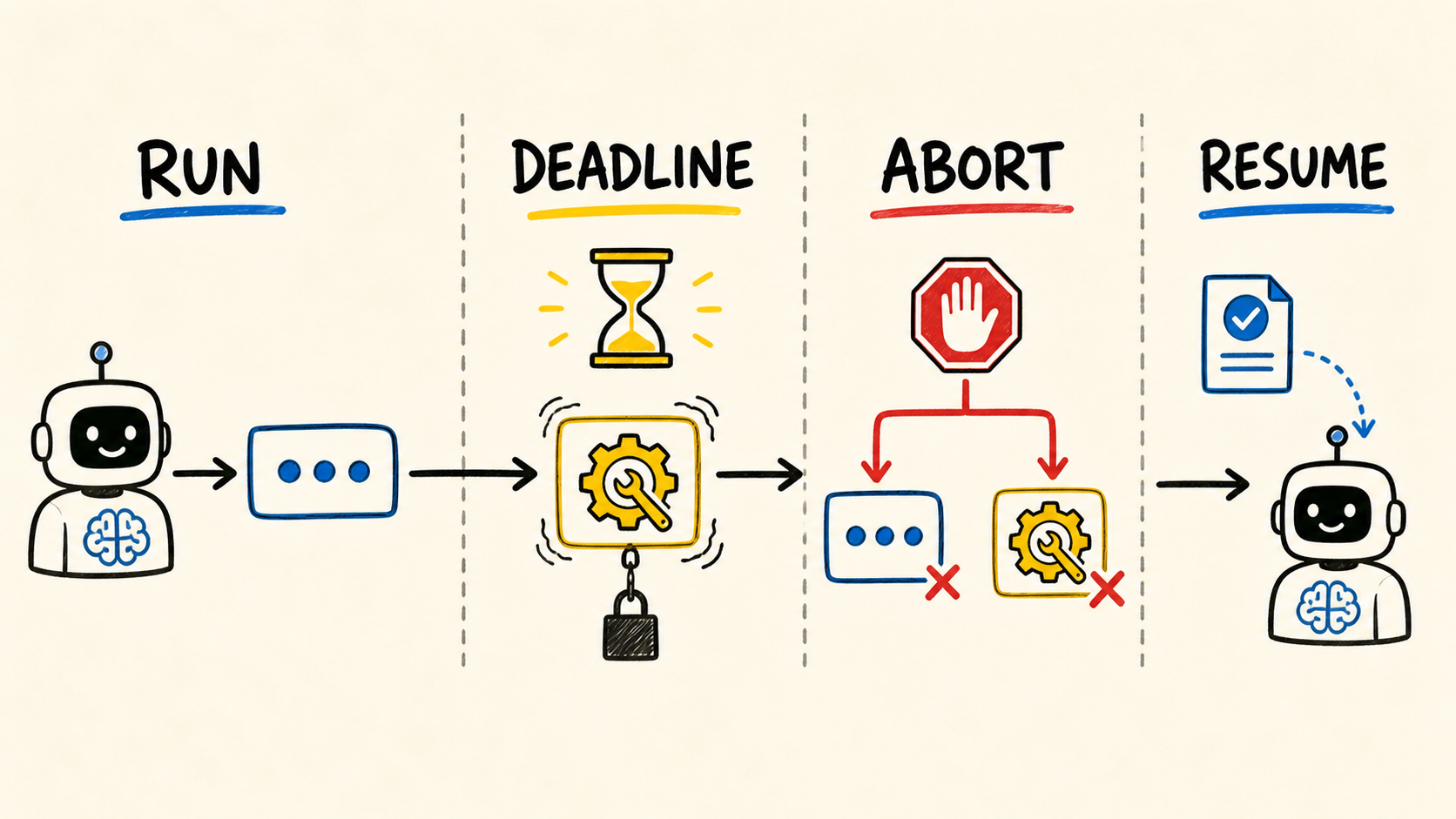
Combine AbortSignal, per-step timeouts, and turn limits to safely cancel AI agents, propagate the signal, and avoid unsafe retries after external effects.
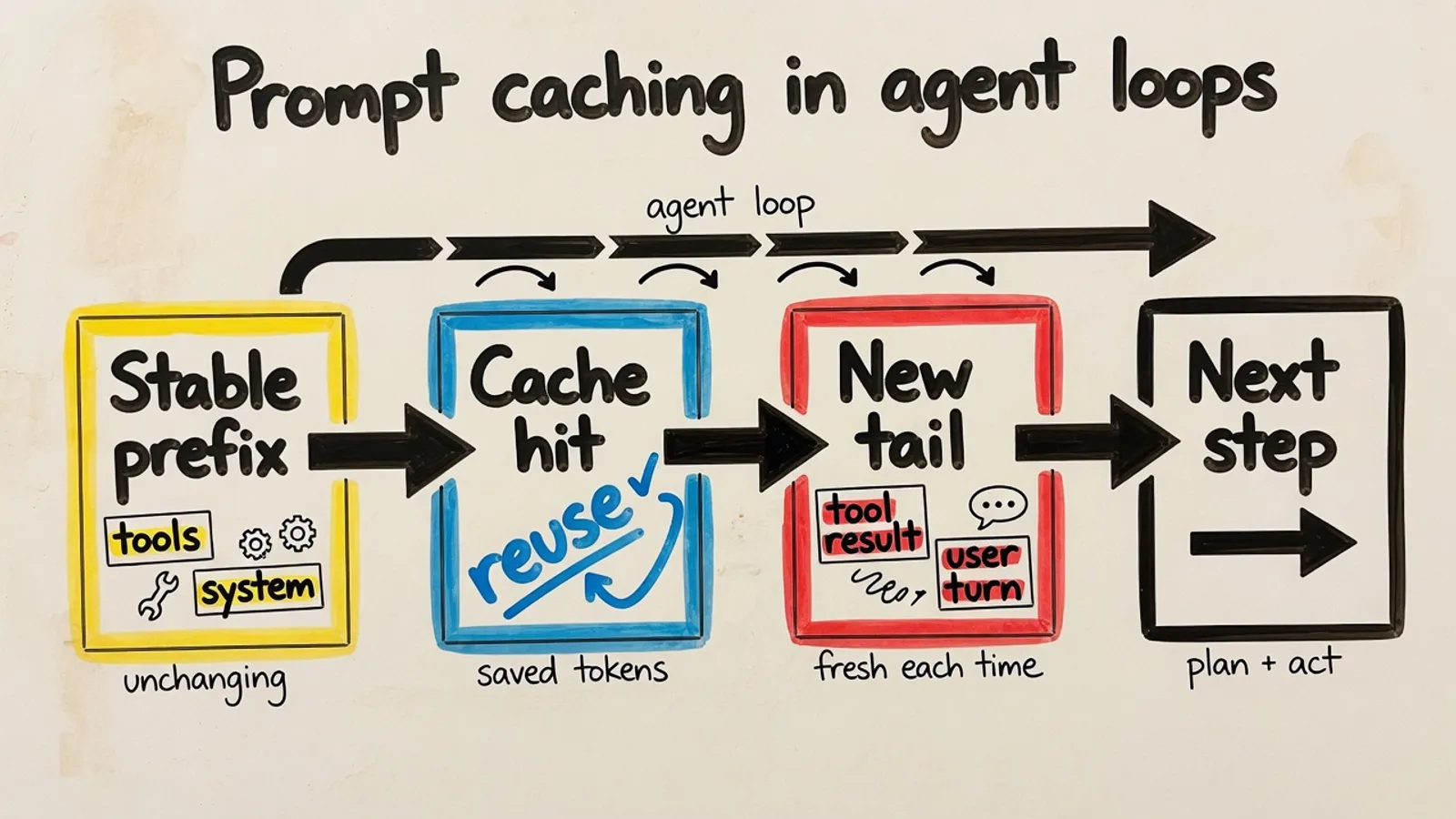
Structure tools, system, and history so multi-step agents get cache hits on each tool step. Measure cached tokens, stop prefix invalidation, and cut input cost.
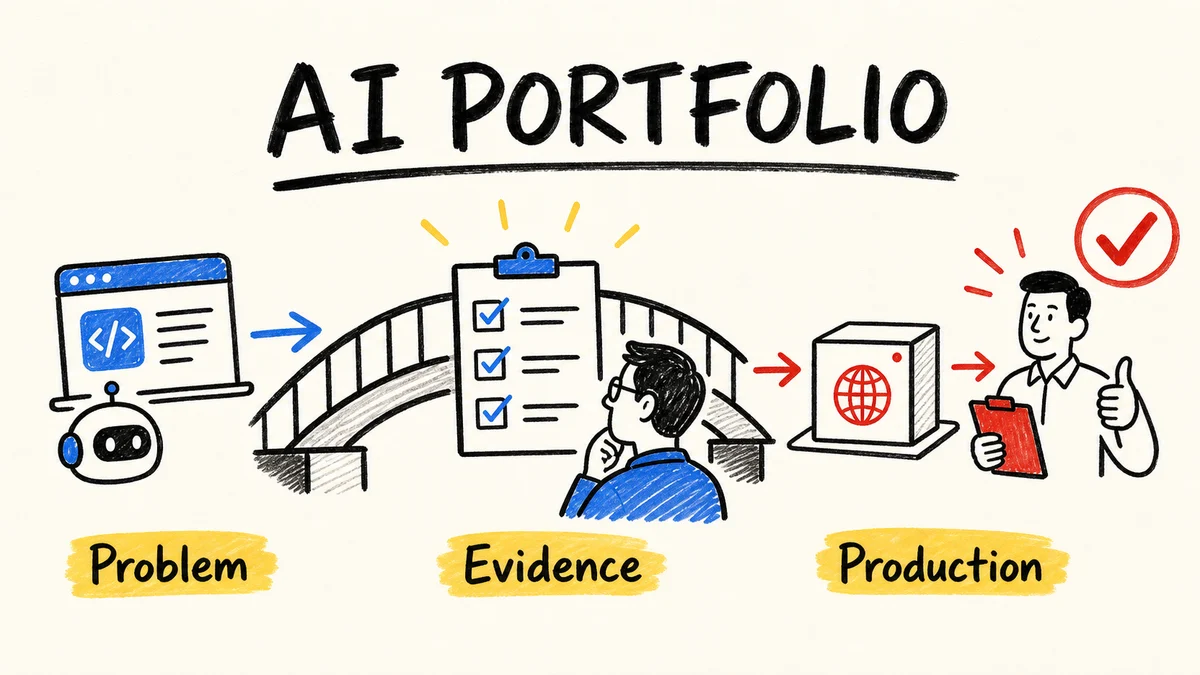
Build an AI software engineer portfolio that shows the problem, architecture, tests, failures, operations, and decisions behind a project.
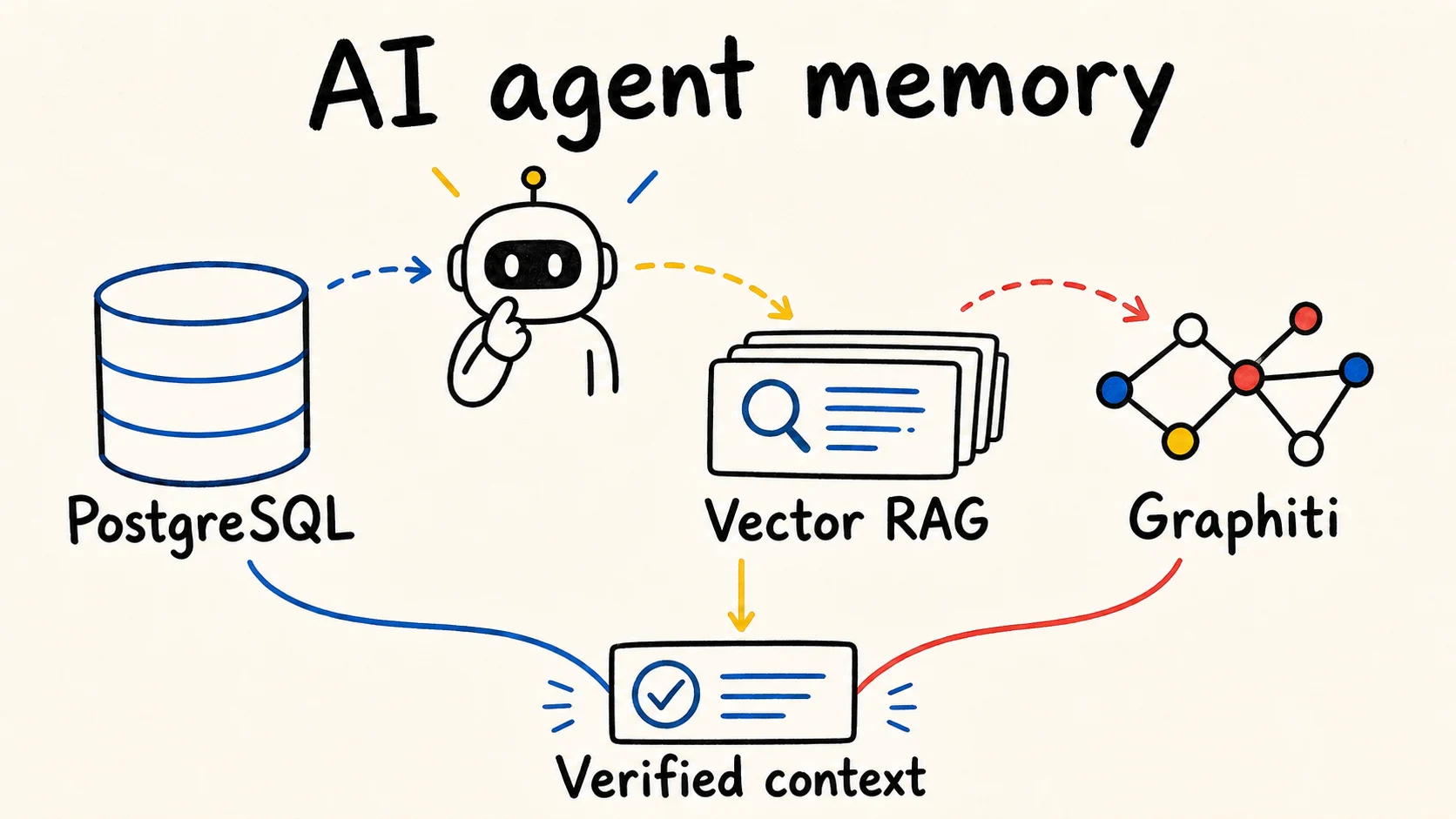
Compare Graphiti, vector RAG, and PostgreSQL for AI agent memory. Separate truth, retrieval, history, and verification before production decisions at scale.
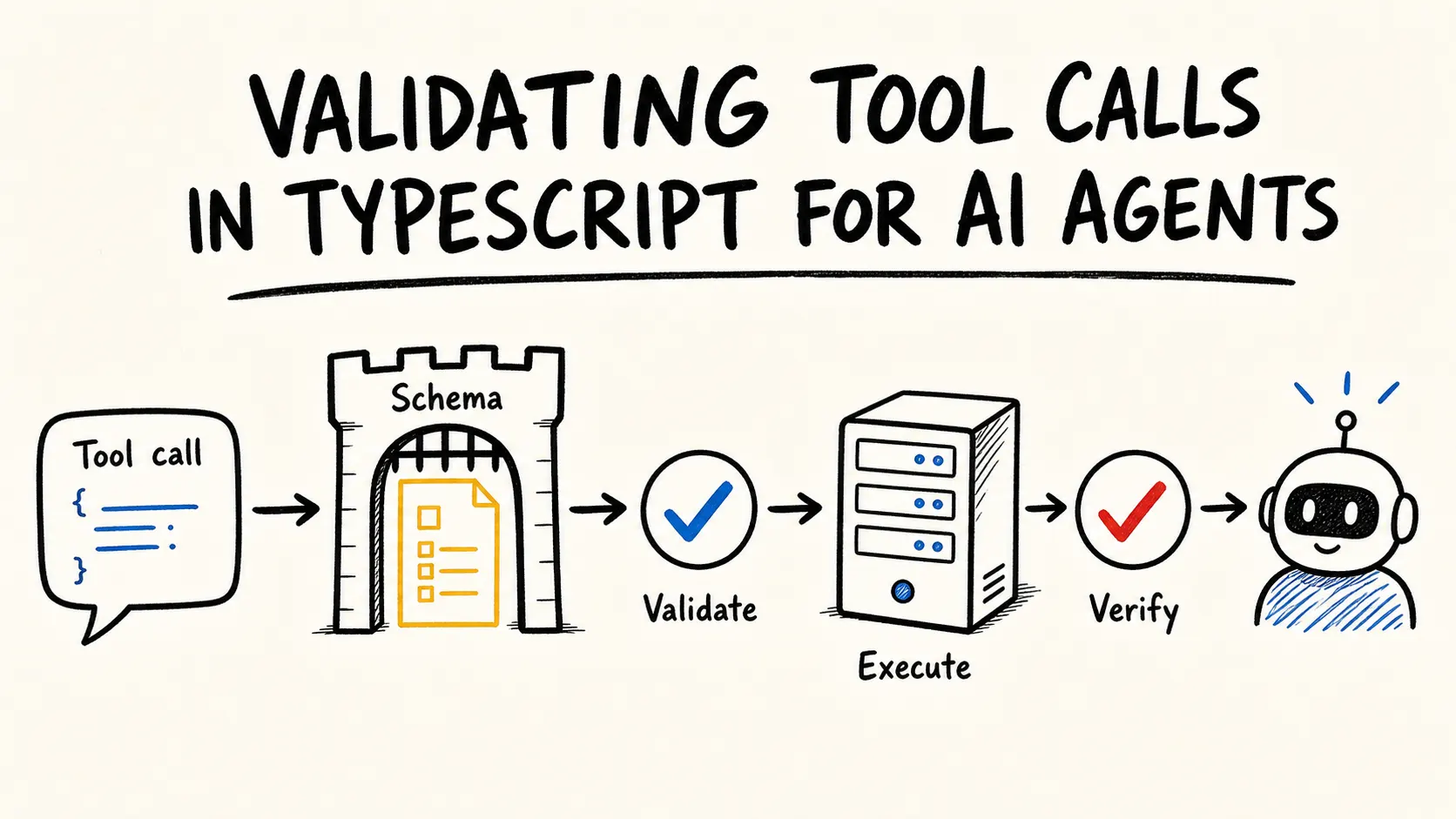
Validate AI agent tool calls in TypeScript with Zod, structured errors, safe output, and bounded retries before reaching your API.
Learn which software engineering skills remain valuable with coding agents: specification, architecture, context, review, evals, and operations for real teams.
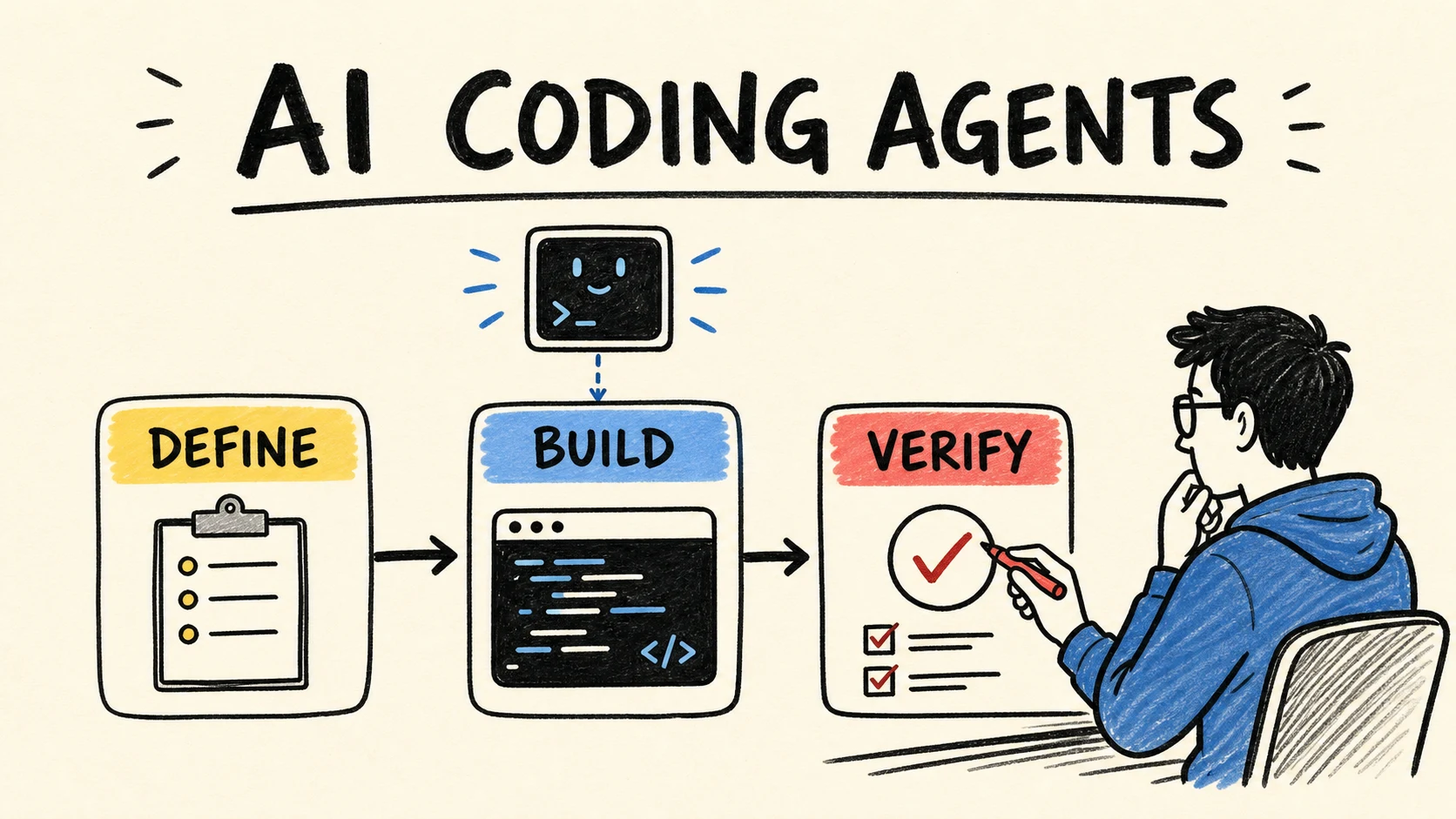
Set up AI code review in GitHub Actions with Codex, least privilege, and separate jobs. Includes YAML, verification, errors, and safety limits.
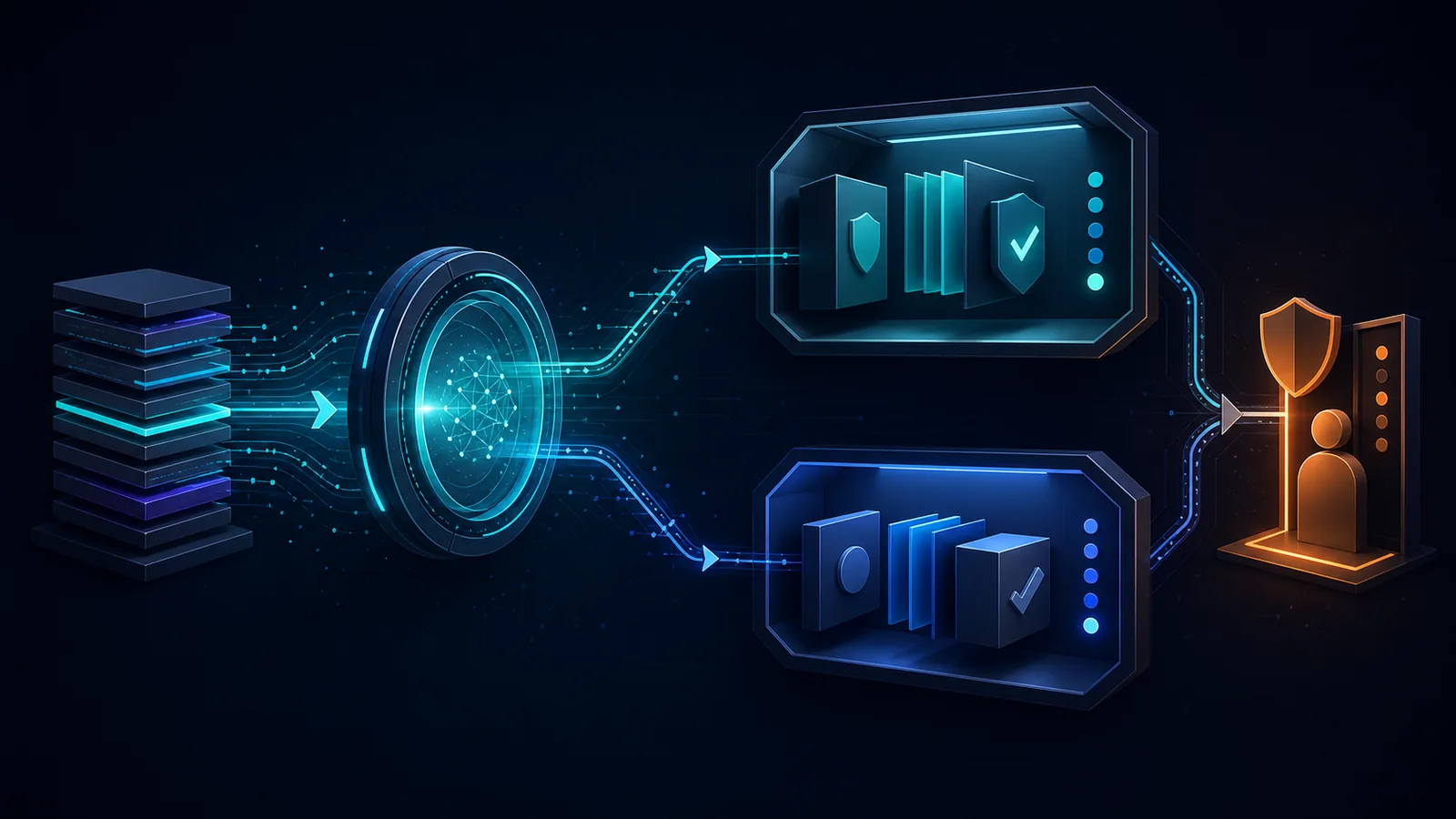
Build a TypeScript MCP server, test it in Inspector, and connect it to Claude Code and Codex with schemas, output limits, and read-only tools.
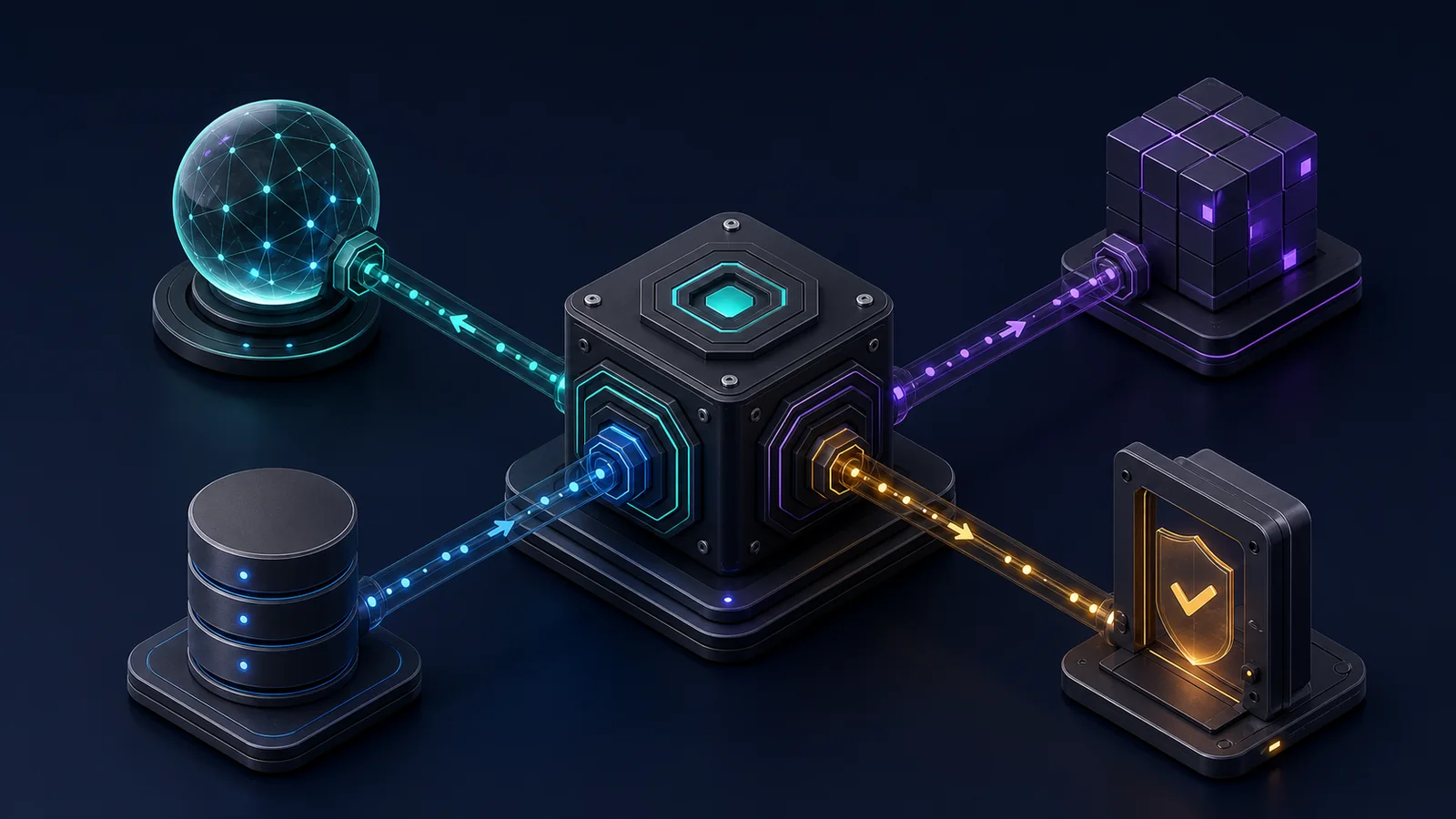
In 2026, Pillar published 7 escapes across 4 agents; protect the host, Git, IDEs, hooks, Docker and CI from trusted workspace files.

In 2026, 84% of developers use or plan to use AI; review agent-made database migrations in CI with dry-runs, lint, and rollback before real data is touched.
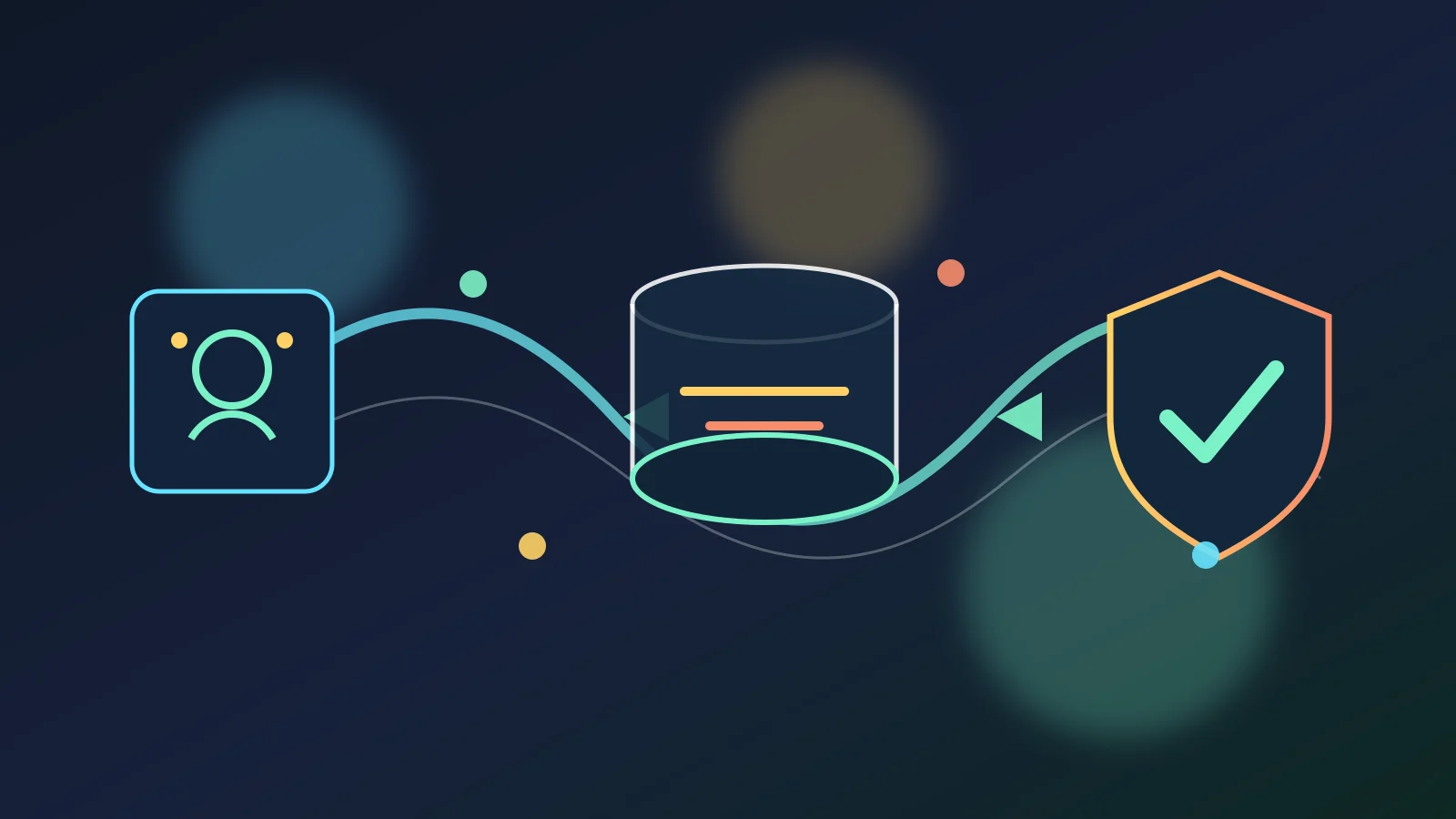
In 2026, GitHub reported 60 million Copilot reviews; build coding agent observability in CI with JSONL, OTel, safe proof, cost control, and reviewable evidence.
In 2026, GitInject documented 11 attacks across 4 providers; protect GitHub Actions agents from PR prompt injection with gates, sandboxing, and minimal secrets.
In 2026, TDAD cut test regressions by 70%; build regression evals for coding agents with impact analysis, CI, and PR proof.
In 2025, Cursor measured 12.5% higher accuracy with semantic search; build codebase RAG with grep, symbols, MCP, and PR proof.

In 2026, a study analyzed 33,596 agentic GitHub PRs; reduce reviewer abandonment, duplicate work, large scope, and broken CI before safe human review.
In 2026, Sophos saw credential access in 56.2% of agent-related blocks; tune EDR, permissions, and CI without opening secrets.
In 2026, Systima measured about 33k tokens before the prompt in Claude Code; build a context budget for MCP, instructions and subagents with CI proof.
In 2026, AI Now showed RCE in Claude Code and Codex during third-party repo review; isolate permissions, sandbox, network and CI evidence before risky PRs.
In 2026, arXiv measured up to 85% hallucination in repo cloning; lock origin, MCP and CI before the agent executes.
In 2026, Wiz tested 6 coding assistants; learn how to review symlinks, sandboxing, and approvals before agents write outside the workspace.
In 2026, 0DIN showed a payload outside the repo; use agent quarantine with sandboxing, denied network, and no setup secrets.
In 2026, MCP research found 57 threats; use tool allowlists, private registries, CI gates, and logs for coding agents.
Build a self-correcting agent loop in CI with short logs, sandbox, retry limits, and reviewable PR proof without opening broad diffs or losing control.
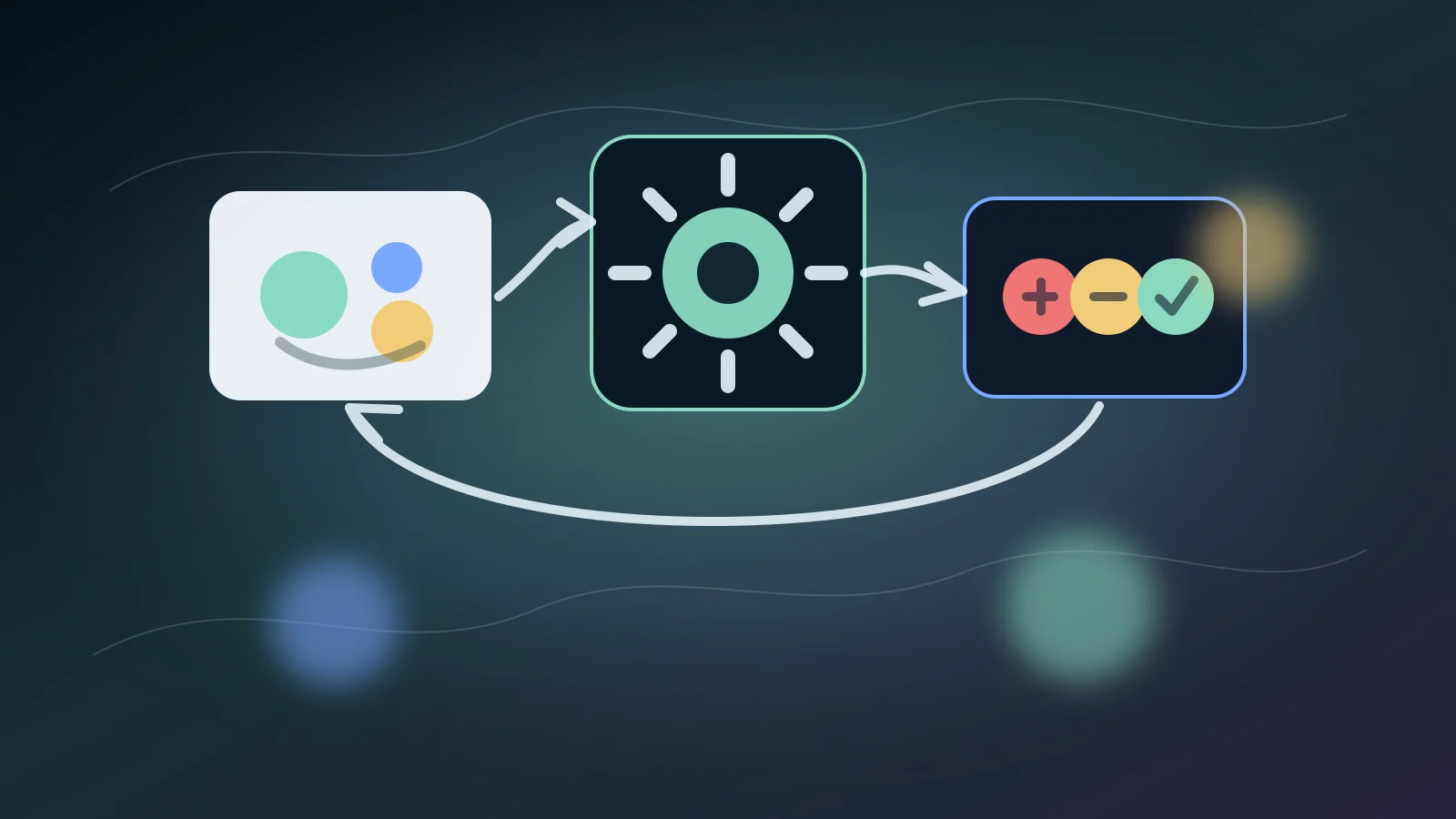
In 2026, GitLab found 85% see review as the bottleneck; use executable specs so coding agents prove each change.
In 2026, Tenet reported 2,388 exposed organizations; treat Sentry MCP events as hostile input before Codex or Claude Code acts.
Claude Code documents 3 hook cadences; use gates before, after and at the end of the loop to reduce real risk across coding agents, MCP, shell and CI.

In 2026, one study measured over 20% higher cost from weak context files; write a lean AGENTS.md so Codex and Claude Code test better without token bloat.
In 2026, 85% see review and validation as the bottleneck; use subagent fan-out to migrate monorepos with proof, worktrees, and lean PR evidence for review.
In 2026, more than 1 in 5 GitHub reviews already run through Copilot; use codebase RAG over MCP for agent context on demand.
In 2026, GitHub had seen 60 million Copilot reviews; build PR evals in CI to validate agents before the reviewer.
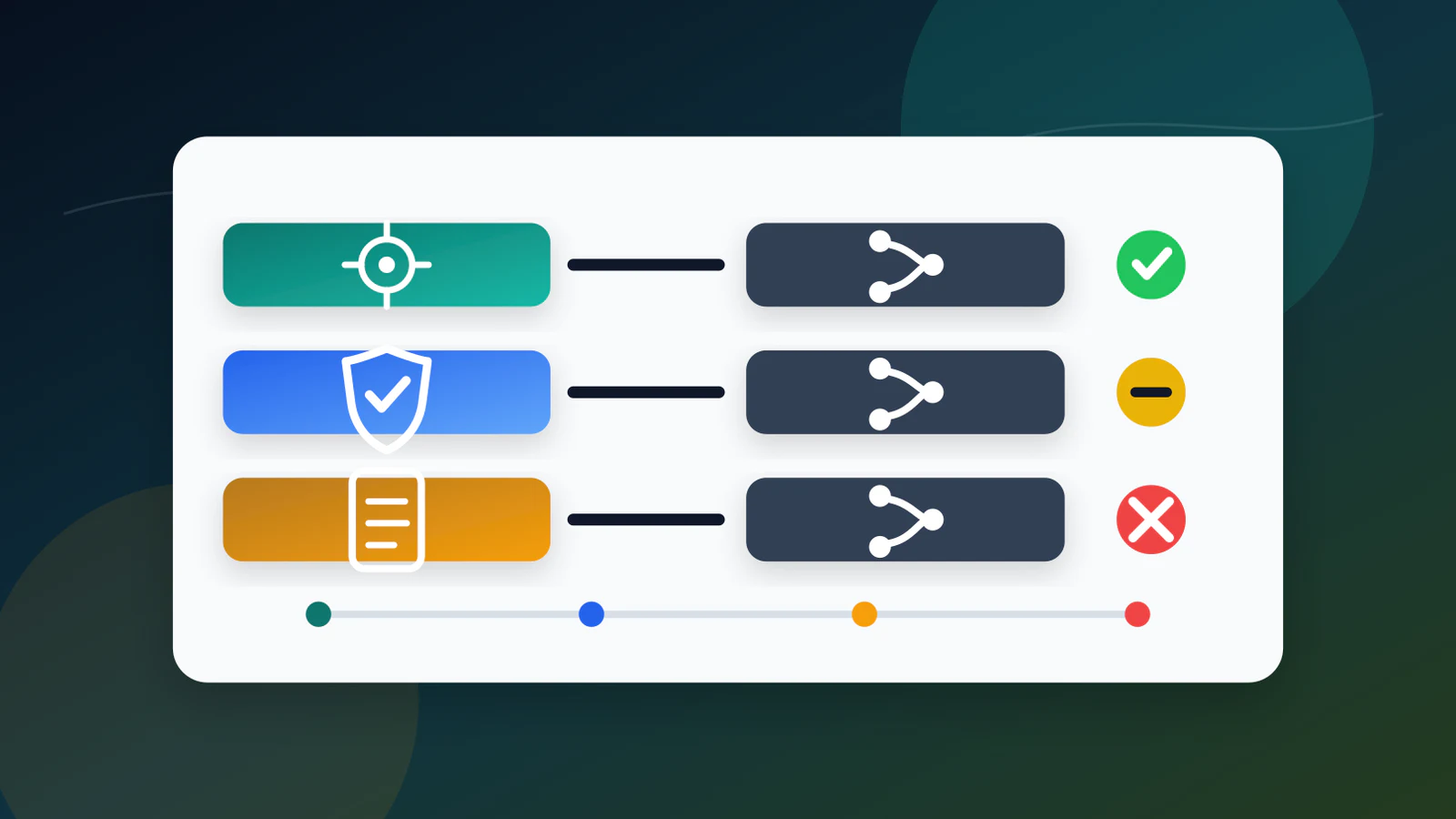
In 2025, DORA measured 90% AI adoption in software teams; use lean context so coding agents work with better evidence.
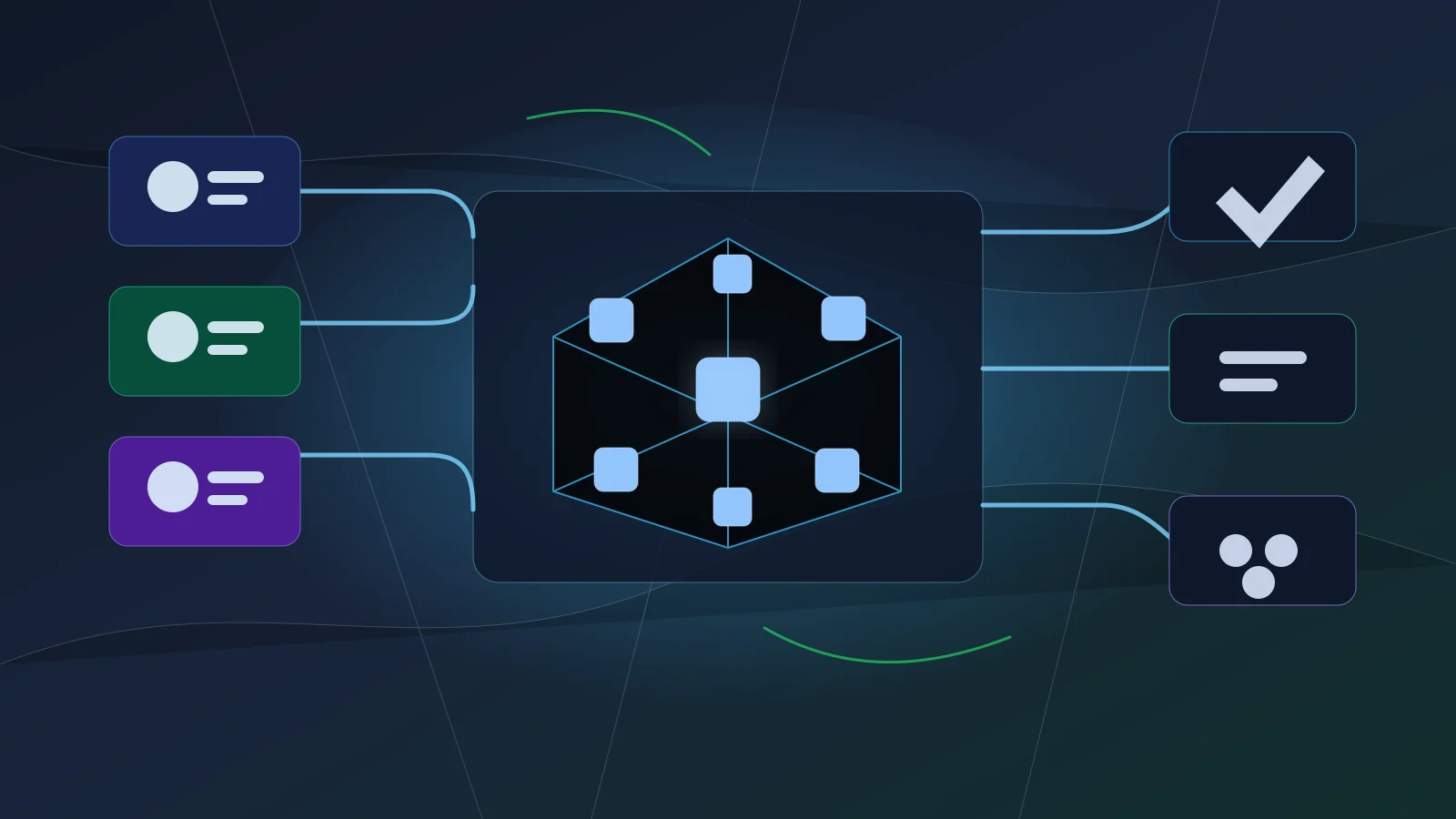
In 2026, 85% of devs cite reviewing, editing, and testing AI code as the bottleneck. See a practical harness for reliable PRs, with gates, MCP, and subagents.
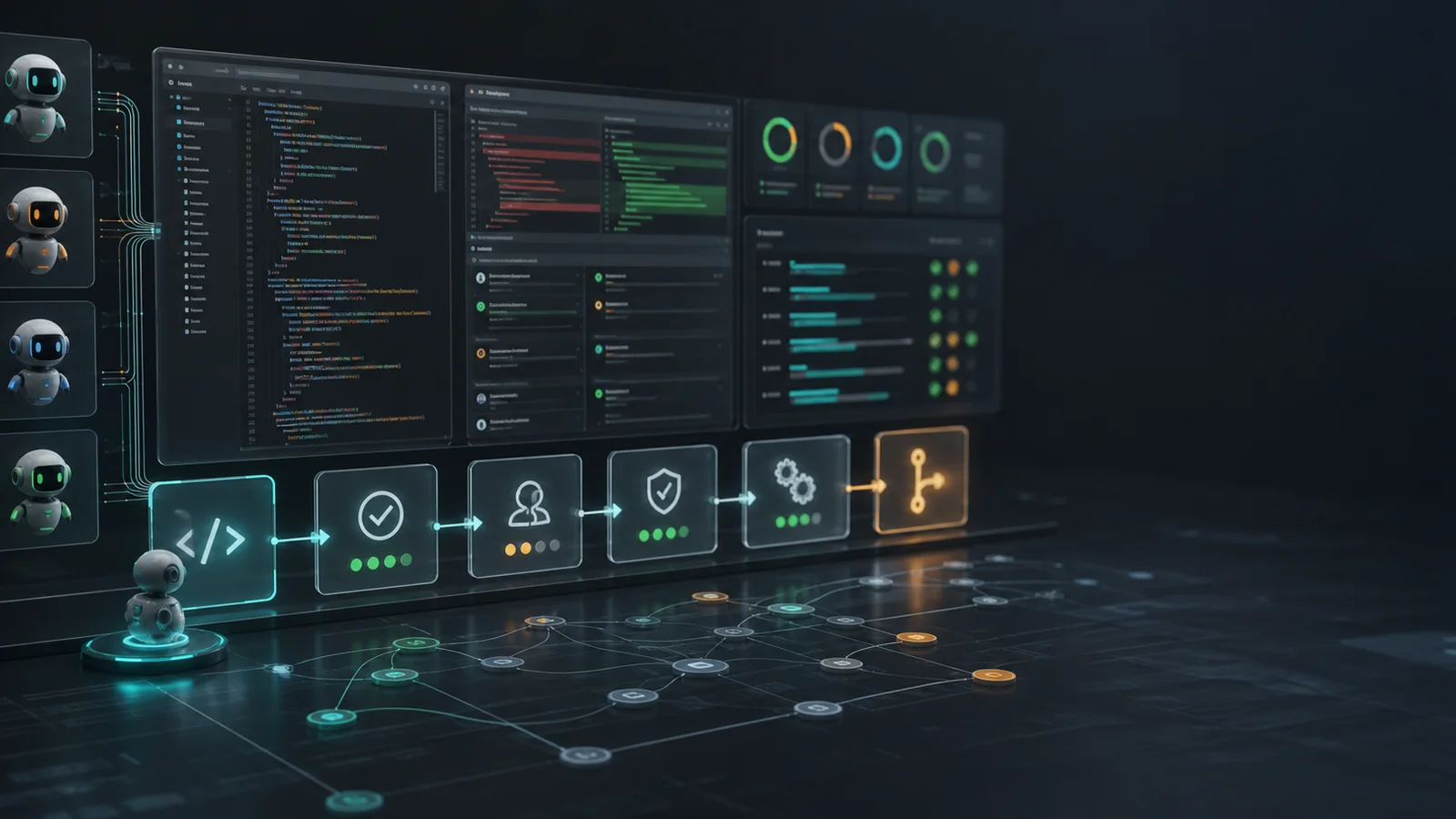
Claudiomiro is an AI-powered CLI that autonomously runs the full software development lifecycle: analyzing codebases, planning, and implementing complete…

A practical guide to building a native knowledge-graph system with MongoDB, S3 and LangChain that links entities and relationships to give AI real context.

Deep dive into implementing a production-ready AI fitness agent using LangChain.js with structured tools, proper prompting, and intelligent context retrieval.

Discover how Langchainjs orchestrates AI tool and function calling with the chain-of-thought paradigm, featuring a practical fitness app example.

A deep dive into Graphiti, Zep's open-source temporal knowledge-graph framework, plus a full blueprint for building a Personal Financial AI Coach that learns…
Discover how hiring ChatGPT Pro as a junior developer at $200/month revolutionized my software engineering workflow, boosting productivity and efficiency.