
Database migrations generated by AI agents are not just another PR diff. They change persistent state and can fail in places unit tests do not see: deploy order, locks, duplicate data, required columns, weak rollback plans, and excessive permissions.
In 2026, Stack Overflow in "2025 Developer Survey: AI" reported that 84% of respondents use or plan to use AI in development, up from 76% the year before; among professional developers, 51% use it daily (Stack Overflow, "2025 Developer Survey: AI", 2025, retrieved 2026-07-22). AI use is no longer novel. The real question is where the agent is allowed to act.
Practical summary
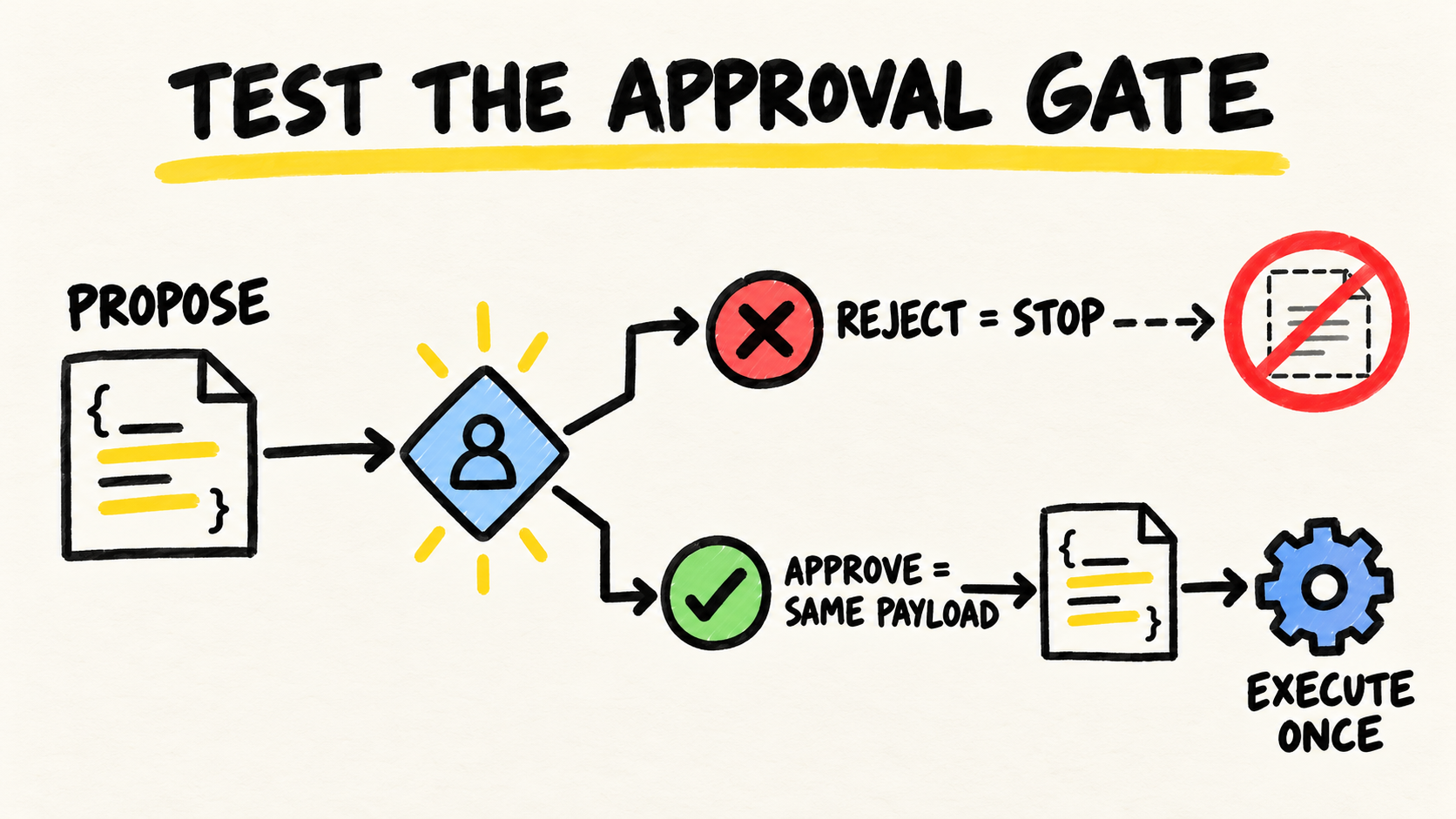
- The agent may propose a migration, but should not apply it to the real database.
- CI needs simulation, linting, and proof before the merge.
- Destructive changes require human review, even when tests pass.
- Rollback is not an agent promise; it is a tested contract.
Why does an agent migration need its own gate?
In 2026, GitHub Blog in "Agent pull requests are everywhere" reported more than 60 million Copilot code reviews, 10x growth in under a year, and more than one in five reviews involving an agent (GitHub Blog, "Agent pull requests are everywhere", 2026, retrieved 2026-07-22). A migration needs its own gate because the cost of failure is not limited to code.
An agent can change the model, ORM, query, test, and SQL file in one session. That looks efficient. The risk is that the PR appears locally coherent while the real database has old data, active tenants, delayed jobs, and multiple app versions running together.
The gate should answer three questions. Does the migration apply to a disposable database? Is it compatible with the previous app version? Does it include a destructive, data-dependent, or locking operation? If any answer fails, the agent loops without touching production.
Citation capsule: Agent-generated migrations need their own gate because code review does not prove state safety. With more than 60 million Copilot code reviews on GitHub, agent scale demands CI that simulates databases, blocks risk, and preserves human review.
This extends the code agent harness for reliable PRs. That post covers the whole flow. This one focuses on the most expensive boundary: persistent state.
What should CI do before accepting the migration?
In 2026, arXiv in "AI Agent Pull Requests on GitHub" analyzed 33,596 agent PRs across 2,807 repositories and found co-active pairs in 40.2% of repositories under exact overlap (arXiv, "AI Agent Pull Requests on GitHub", 2026, retrieved 2026-07-22). CI needs to detect concurrency and risk before the human reviewer.
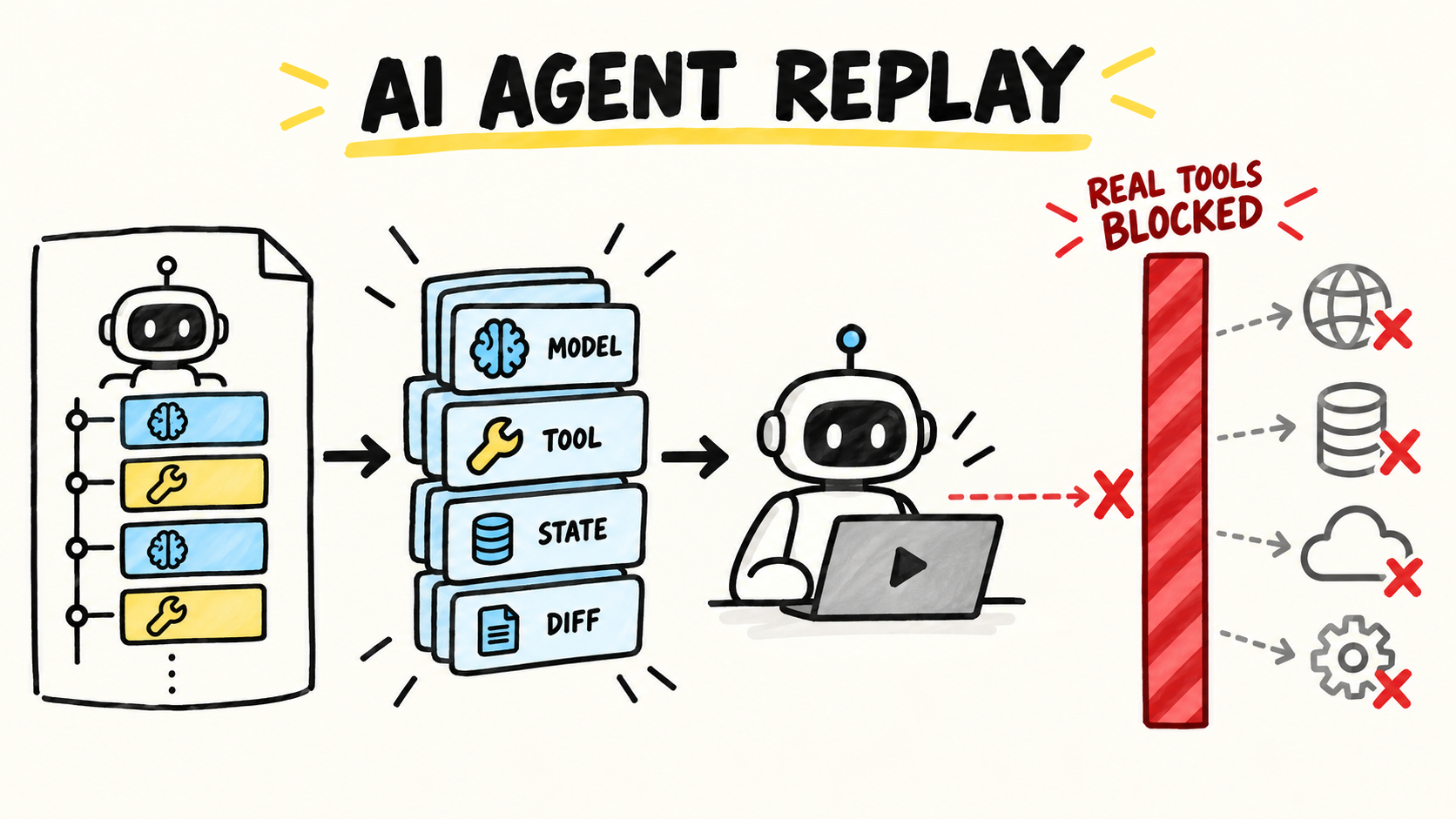
First, treat the migration as an executable artifact, not text. CI should start a disposable database, apply the accepted baseline, run the new migration, execute read and write smoke tests, compare the final schema, and attach short evidence to the PR.
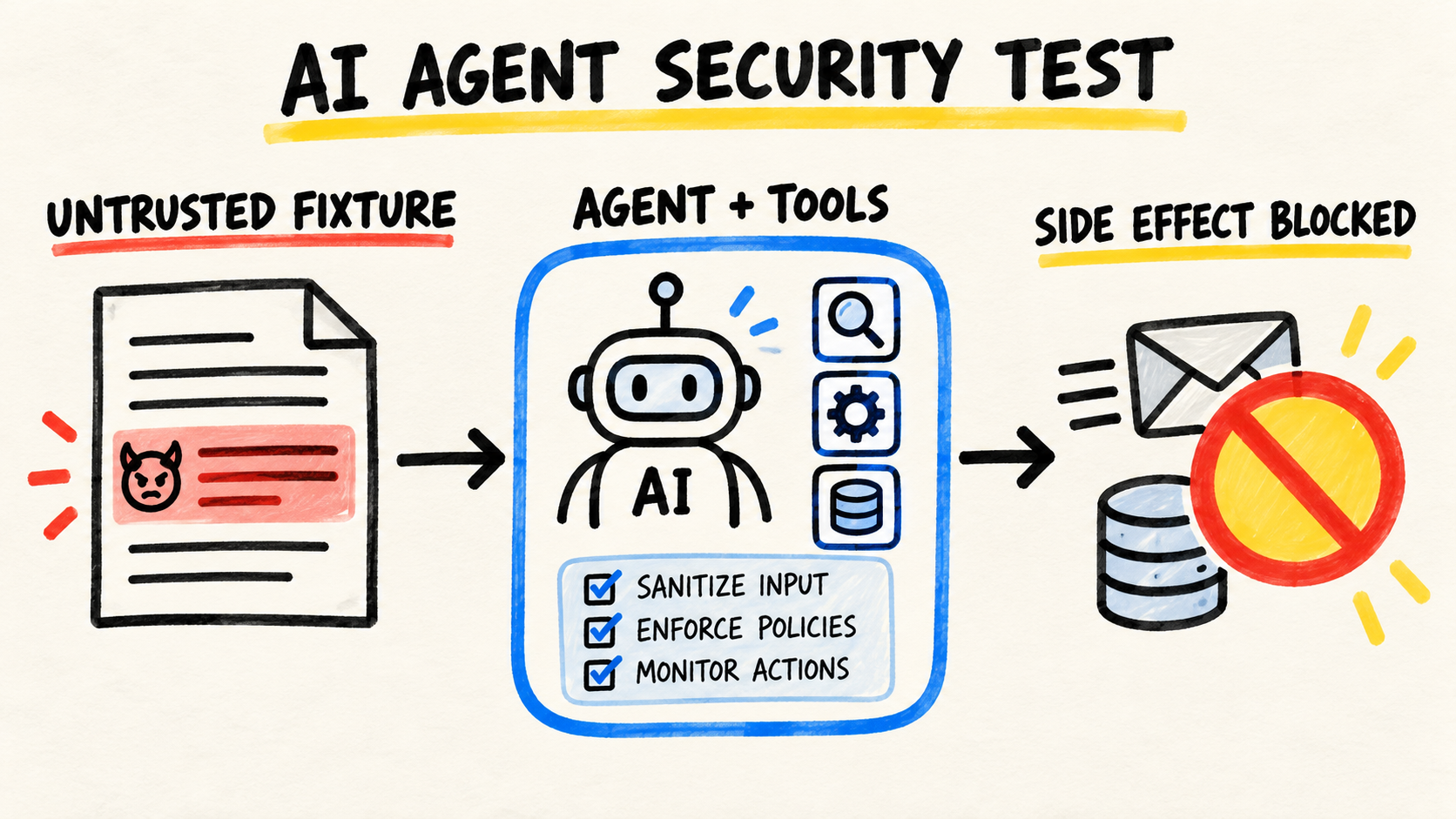
Second, separate permission from analysis. The agent can generate the file and run a dry-run. It does not receive production credentials. If the task needs real-data shape, use a sanitized replica, a snapshot, or a human-reviewed read-only query.
| Gate | Practical question |
|---|---|
| Generation | Was the migration created in an isolated branch without editing old history? |
| Simulation | Did a disposable database apply it from zero and from current state? |
| Lint | Does the diff contain a drop, lock, rewrite, or incompatible change? |
| Proof | Does the PR show command, short output, and block decision? |
| Human | Did a person approve irreversible risk before merge? |
Citation capsule: CI for agentic migrations must execute the change, not only read SQL. The arXiv study measured 33,596 agentic PRs; when agents work in parallel, disposable databases, lint, and proof summaries catch errors textual merges miss.
For long runs, context cost becomes part of this contract. I use RemoteCode to keep continuity in agentic Codex and Claude Code workflows with less repeated context when an agent needs to cross schema, logs, and CI evidence; it is my own tool, so this is an editorial mention tied to token cost.
How do you build a dry-run with a shadow database?
In 2026, Prisma documentation in "About the shadow database" describes the shadow database as a second temporary database created and deleted automatically by prisma migrate dev, used to detect drift and potential data loss (Prisma, "About the shadow database", 2026, retrieved 2026-07-22). Use that pattern even outside Prisma.
The dry-run should start clean. Bring up Postgres, MySQL, or another database in a container, apply already accepted migrations, run the new migration, and compare final state. Then repeat from a production-like sanitized snapshot with enough data to trigger constraints.
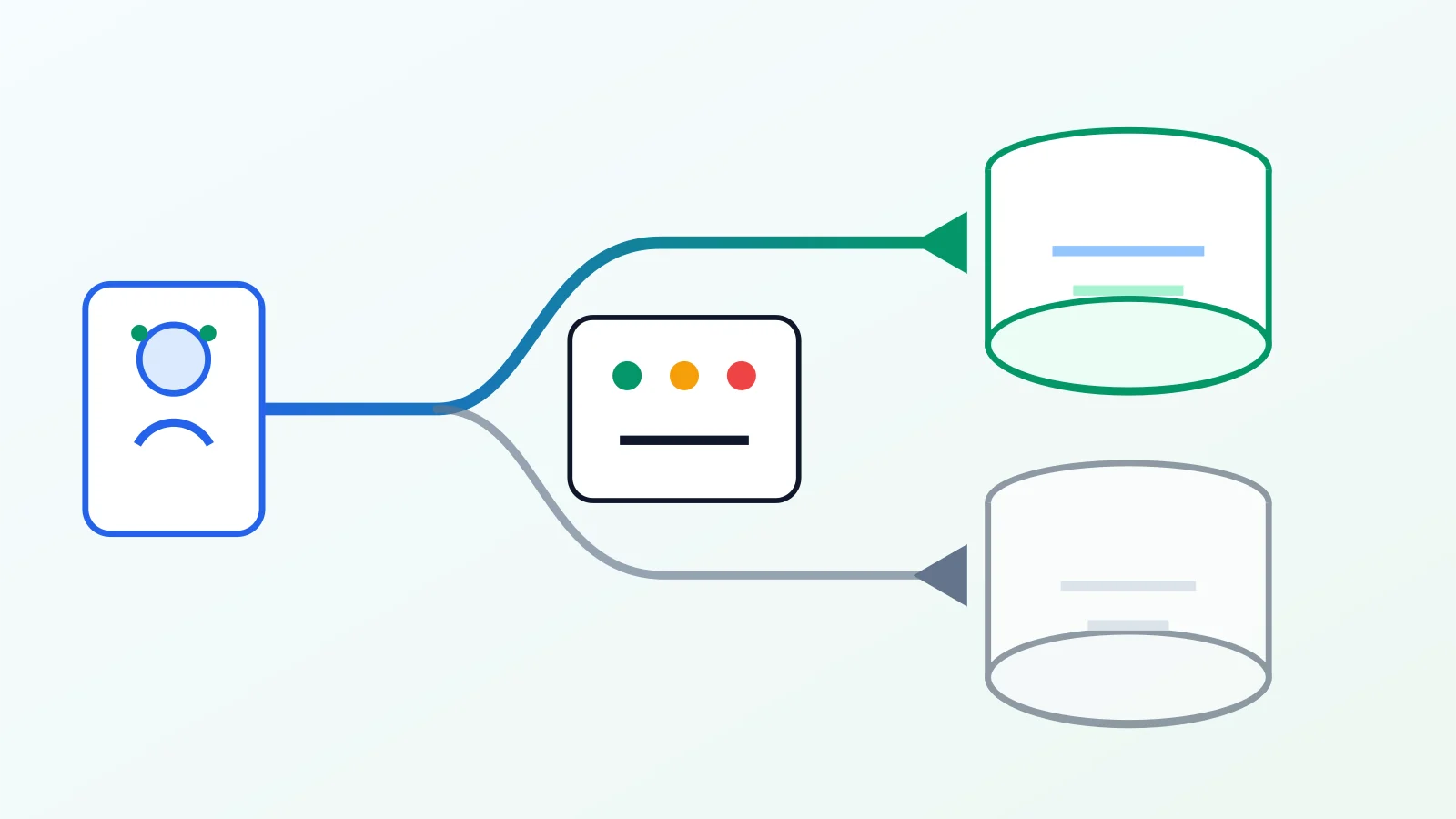
The agent should receive a compact result. Do not send a full dump back to the model. Return the error, command, migration name, failure type, affected table, and next limit. That supports a self-correcting loop without leaking data or wasting context.
{
  "migration": {
    "source": "agent",
    "environment": "disposable_database",
    "dry_run": "required",
    "real_data": "blocked",
    "production": "no_credentials"
  }
}
Citation capsule: A shadow database is the operating model for agent migrations: create a temporary database, apply history, test the diff, and discard the environment. Prisma uses it for drift and data-loss detection; in CI, it becomes a safety boundary.
This design fits the self-correcting agent loop in CI. The agent can fix the migration, but only from small, verifiable feedback.
Which destructive changes should block the agent?
In 2026, Atlas documentation in "Migration Analyzers" defines a destructive change as a schema change that causes data loss, such as ALTER TABLE users DROP COLUMN email_address (Atlas, "Migration Analyzers", 2026, retrieved 2026-07-22). Start by blocking drops, unsafe renames, and constraints that depend on current data.
Not every risk looks destructive in the diff. Adding a unique index can fail when duplicates already exist. Making a column required can fail when rows contain nulls. Renaming a column can break the old app version during blue-green or rolling deploys.
The agent may suggest an expand-contract plan: create the new column, write to both places, backfill, switch reads, and remove later. The final removal needs a pre-check and approval. If the agent compresses everything into one migration, CI should return a failure.
| Risk | Gate response |
|---|---|
| Column or table drop | Block and request empty-state proof or phased plan. |
| Rename used by the app | Require compatibility with the previous app version. |
| New unique index | Run a duplicate check in the disposable database. |
| Required column | Require a default, backfill, or staged migration. |
| Long-locking DDL | Request an online alternative or operational window. |
Citation capsule: Migration linting should block more than
DROP. Atlas lists destructive, data-dependent, and incompatible changes; for agents, those findings need to become CI errors because the model tends to optimize the diff, not the rollout window.
For tool risk, combine this with MCP allowlists for coding agents. Safe migrations start before SQL: they start with permissions that stop the agent from finding the wrong credential.
Where do hooks, JSONL, and human review fit?
In 2026, Claude Code permission docs state that PreToolUse hooks can deny, force a prompt, or allow a tool call without bypassing permission rules (Claude Code Docs, "Configure permissions", 2026, retrieved 2026-07-22). Use hooks to deny dangerous commands before they become habit.
A simple hook can block psql against a production host, deny DROP DATABASE, require confirmation for ALTER TABLE, or prevent editing old migration files outside the latest timestamp. The rule should live outside the prompt because a prompt is advice. A hook is executable policy.
In 2026, OpenAI documentation in "Non-interactive mode" says codex exec --json emits JSON Lines events such as thread.started, turn.started, turn.completed, turn.failed, item.*, and error (OpenAI Developers, "Non-interactive mode", 2026, retrieved 2026-07-22). Store that JSONL as a restricted artifact and publish only the safe PR summary.
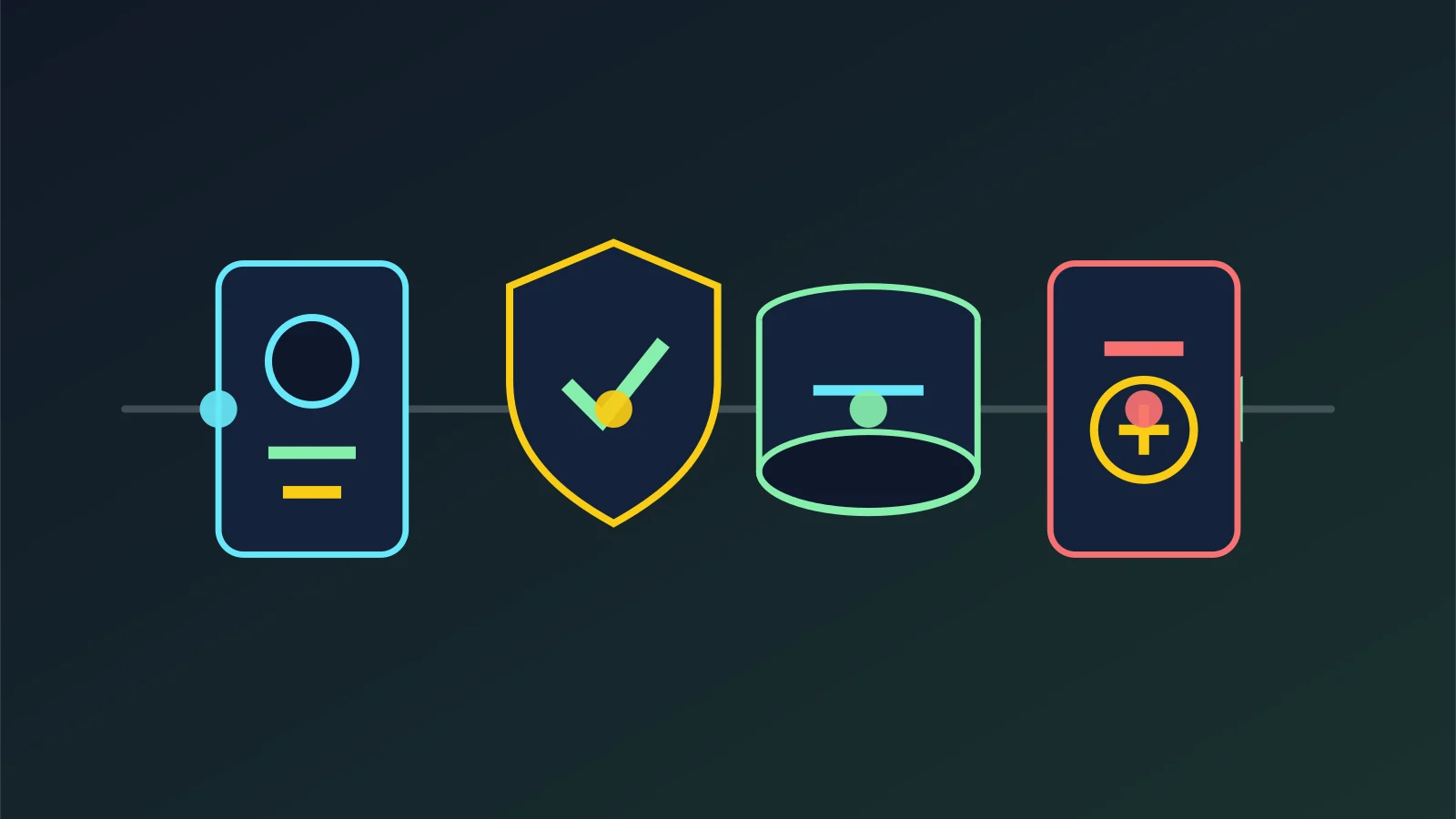
Citation capsule: A prompt is not change control. Claude Code supports hooks that deny tool calls, and Codex emits JSONL for audit; together, they create both a trail and a block for agentic migrations before sensitive credentials appear.
This connects to coding agent observability in CI. When a migration fails, the reviewer needs to know whether it was schema, permission, data, or retry behavior.
What minimum contract fits the next PR?
In 2026, arXiv in "AI Agent Pull Requests on GitHub" measured textual conflict at 41.7% for cross-agent pairs versus 19.8% for intra-agent pairs when replaying real merges (arXiv, "AI Agent Pull Requests on GitHub", 2026, retrieved 2026-07-22). For migrations, textual conflict is only the beginning; the minimum contract must prove execution.
Adopt one agent-migration-report.json file per PR. It should declare the tool, base commit, new migration, disposable database, dry-run command, lint result, detected risk, rollback or roll-forward plan, and person accountable for final approval.
Also ban three shortcuts. The agent does not edit an old migration without explicit reason. The agent does not receive a production URL. The agent does not mark rollback as ready without executing the reverse path or documenting that the real strategy is roll-forward.
| Field | Acceptance criterion |
|---|---|
| Scope | One new migration per PR unless a reviewer accepts the exception. |
| Execution | Dry-run in a disposable database with short log attached. |
| Safety | Destructive lint is treated as an error, not a warning. |
| Data | No real data enters the agent transcript. |
| Exit | A human approves irreversible risk before merge. |
Citation capsule: The minimum contract for an agent migration is an executable report per PR. Since cross-agent conflict reached 41.7% in arXiv, teams need to declare scope, dry-run, lint, data isolation, and human approval.
If you already wrote regression evals for coding agents, add a schema-specific case. The test does not need to prove everything. It needs to stop the agent from treating the database as a temporary file.
FAQ about AI agent database migrations
Can an agent create a production migration?
It can propose the migration, but it should not apply it to the real database. In 2026, Stack Overflow reported that 51% of professional developers use AI daily (Stack Overflow, "2025 Developer Survey: AI", 2025, retrieved 2026-07-22). That usage demands separation between code generation and operational permission.
Does a dry-run replace senior backend or DBA review?
No. In 2026, arXiv analyzed 33,596 agent PRs, but merge conflict still does not cover data semantics (arXiv, "AI Agent Pull Requests on GitHub", 2026, retrieved 2026-07-22). Dry-runs reduce mechanical error; human review evaluates impact, window, and rollback.
Can the agent use a production snapshot?
Only when the snapshot is sanitized and access-controlled. In 2025, the AI Incident Database cataloged the Replit case as destructive commands during a code freeze with production data loss (AI Incident Database, "Incident 1152", 2025, retrieved 2026-07-22). The agent should see minimum data.
Which tool should handle migration linting?
Use the tool that fits your stack. In 2026, Atlas documents atlas migrate lint for local and CI analysis against destructive operations, incompatible changes, and locks (Atlas, "Verifying Migration Safety", 2026, retrieved 2026-07-22). Prisma, Flyway, and Liquibase need equivalent gates.
Closing
A coding agent accelerates migrations when the pipeline treats the database as a living system. It hurts when the team confuses valid SQL with safe change.
The pragmatic path is small: isolated branch, dry-run in a disposable database, destructive lint as an error, restricted JSONL, permission hook, and human approval for irreversible risk. After that, the agent remains useful. It just no longer owns the final word.
Sources consulted
- Stack Overflow, "2025 Developer Survey: AI", retrieved 2026-07-22, https://survey.stackoverflow.co/2025/ai
- GitHub Blog, "Agent pull requests are everywhere. Here's how to review them", retrieved 2026-07-22, https://github.blog/ai-and-ml/generative-ai/agent-pull-requests-are-everywhere-heres-how-to-review-them/
- arXiv, "AI Agent Pull Requests on GitHub: Frequency, Structure, and Merge Conflict Rates", retrieved 2026-07-22, https://arxiv.org/abs/2607.04697
- Prisma, "About the shadow database", retrieved 2026-07-22, https://www.prisma.io/docs/orm/prisma-migrate/understanding-prisma-migrate/shadow-database
- Atlas, "Migration Analyzers", retrieved 2026-07-22, https://atlasgo.io/lint/analyzers
- Atlas, "Verifying Migration Safety", retrieved 2026-07-22, https://atlasgo.io/versioned/lint
- Claude Code Docs, "Configure permissions", retrieved 2026-07-22, https://code.claude.com/docs/en/permissions
- OpenAI Developers, "Non-interactive mode", retrieved 2026-07-22, https://learn.chatgpt.com/docs/non-interactive-mode
- AI Incident Database, "Incident 1152", retrieved 2026-07-22, https://incidentdatabase.ai/cite/1152/
- The Register, "Vibe coding service Replit deleted user's production database, faked data, told fibs galore", retrieved 2026-07-22, https://www.theregister.com/software/2025/07/21/vibe-coding-service-replit-deleted-production-database/719783