

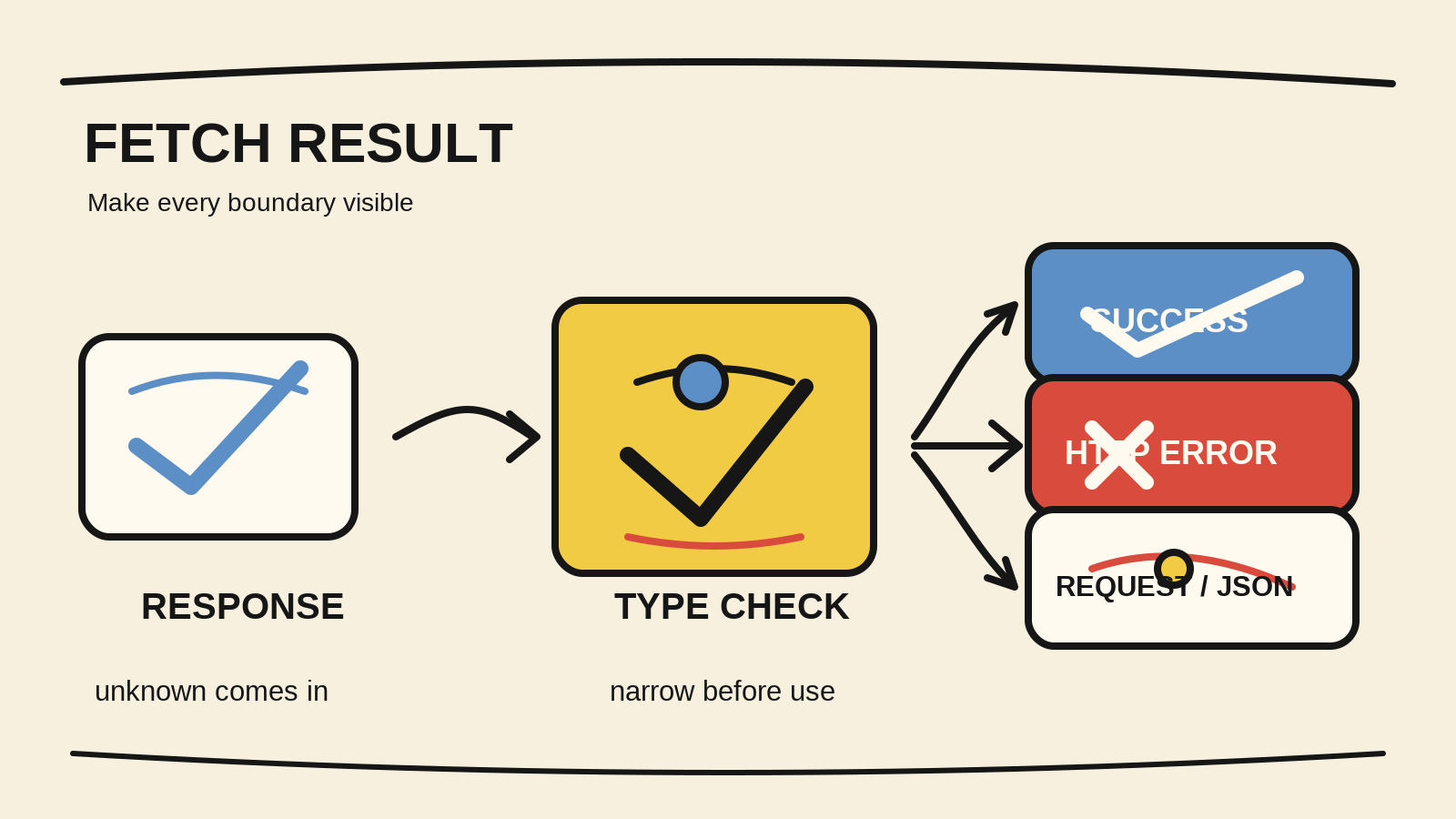
How to Type Fetch Success and Error Results in TypeScript
Model fetch success, HTTP, request, and JSON errors in TypeScript with a discriminated union, runtime validation, and safe narrowing.
|
I'm Samuel Fajreldines I am a specialist in the entire JavaScript and TypeScript ecosystem (including Node.js, React, Angular and Vue.js) I am expert in AI and in creating AI integrated solutions I am expert in DevOps and Serverless Architecture (AWS, Google Cloud and Azure) I am expert in PHP and its frameworks (such as Codeigniter and Laravel). |
|
Samuel Fajreldines I am a specialist in the entire JavaScript and TypeScript ecosystem (including Node.js, React, Angular and Vue.js) I am expert in AI and in creating AI integrated solutions I am expert in DevOps and Serverless Architecture (AWS, Google Cloud and Azure) I am expert in PHP and its frameworks (such as Codeigniter and Laravel).
|
Model fetch success, HTTP, request, and JSON errors in TypeScript with a discriminated union, runtime validation, and safe narrowing.
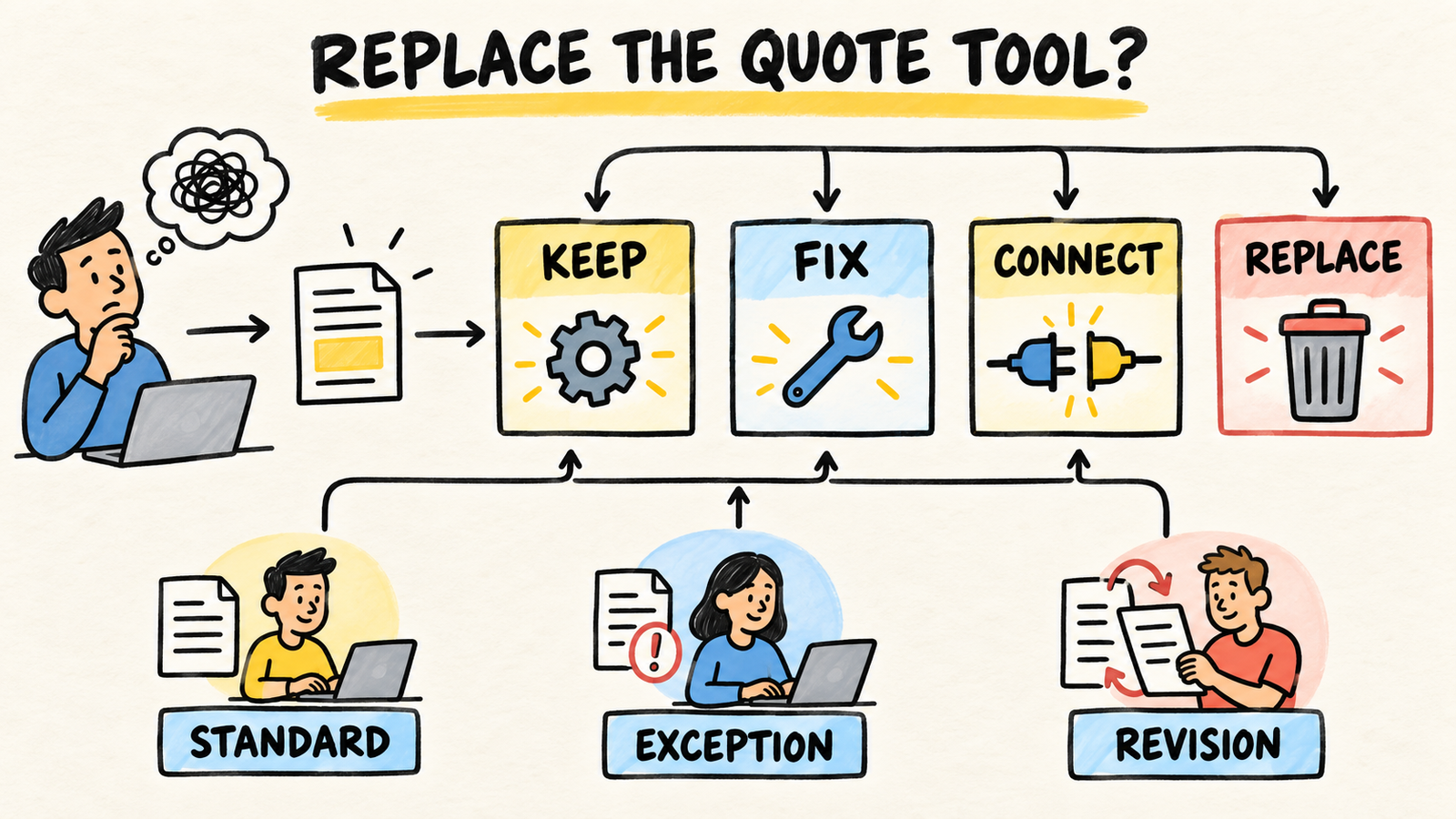
Learn when to fix the process, connect systems, or replace quoting software your sales team avoids, without losing quote history, data, or clear ownership.
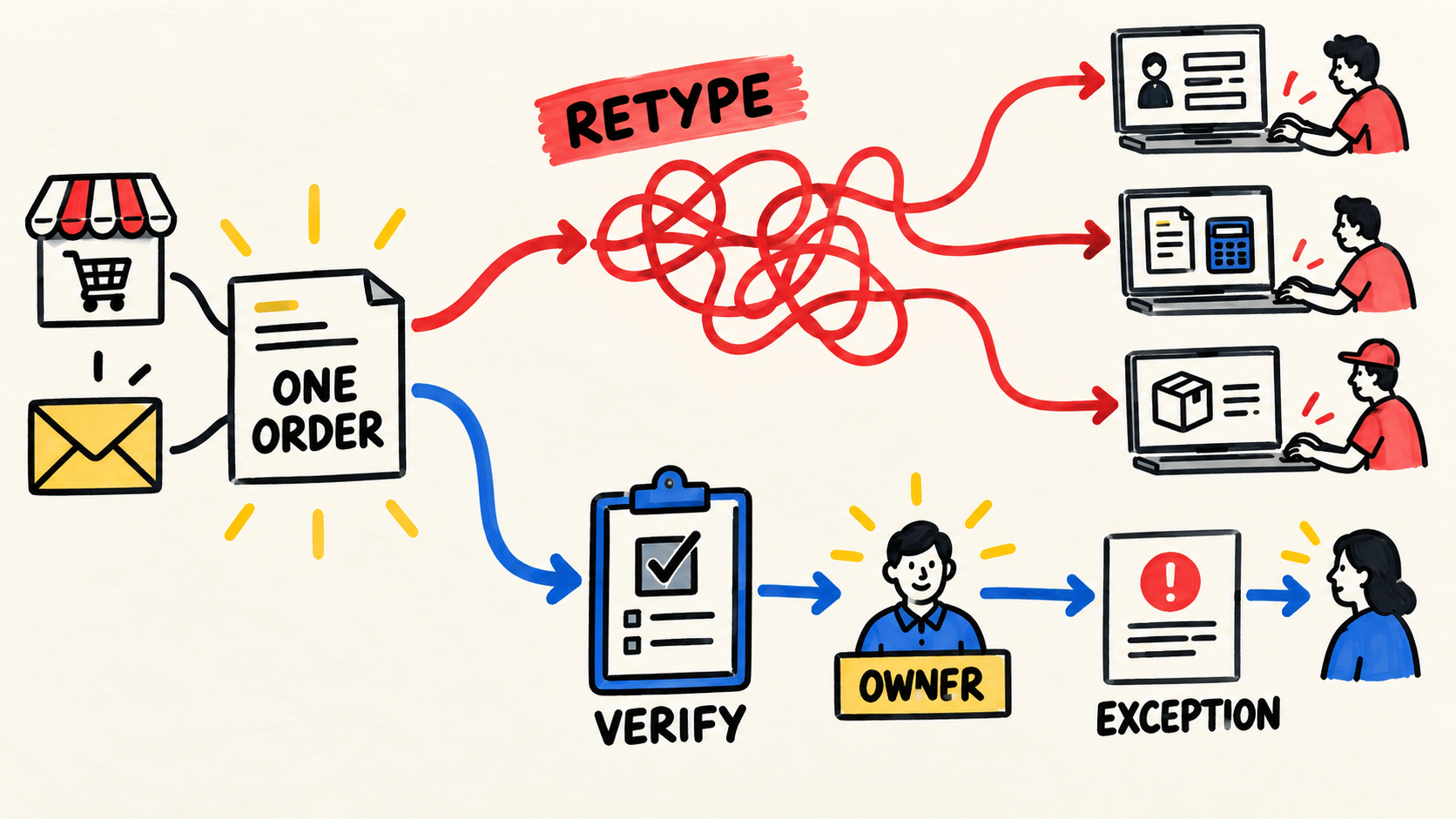
Find out why your team re-enters the same order in multiple systems and decide what to fix, connect, or put under clear ownership.
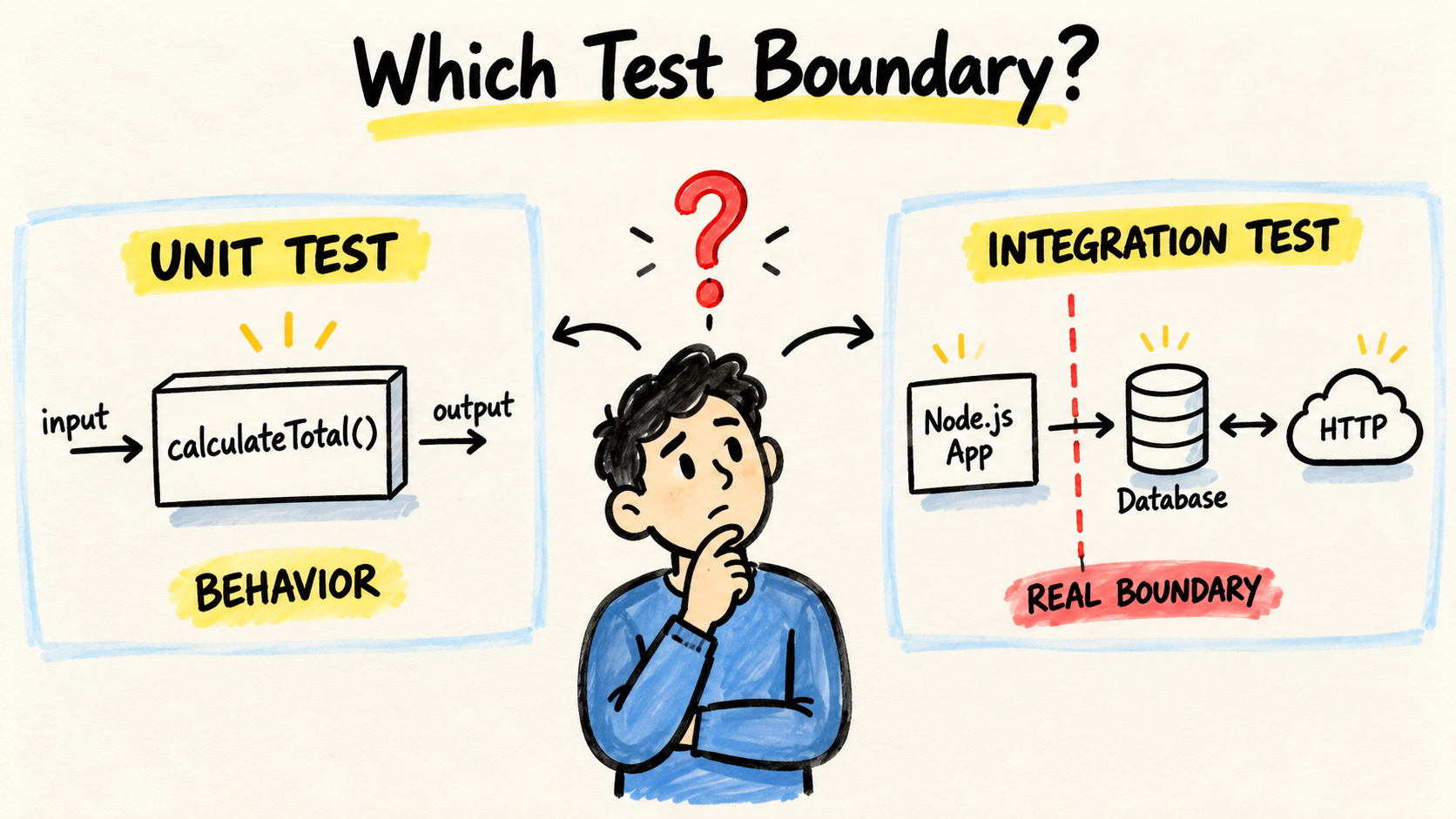
Learn to choose unit or integration tests in Node.js by the behavior and boundary that must stay real, without following a fixed ratio.
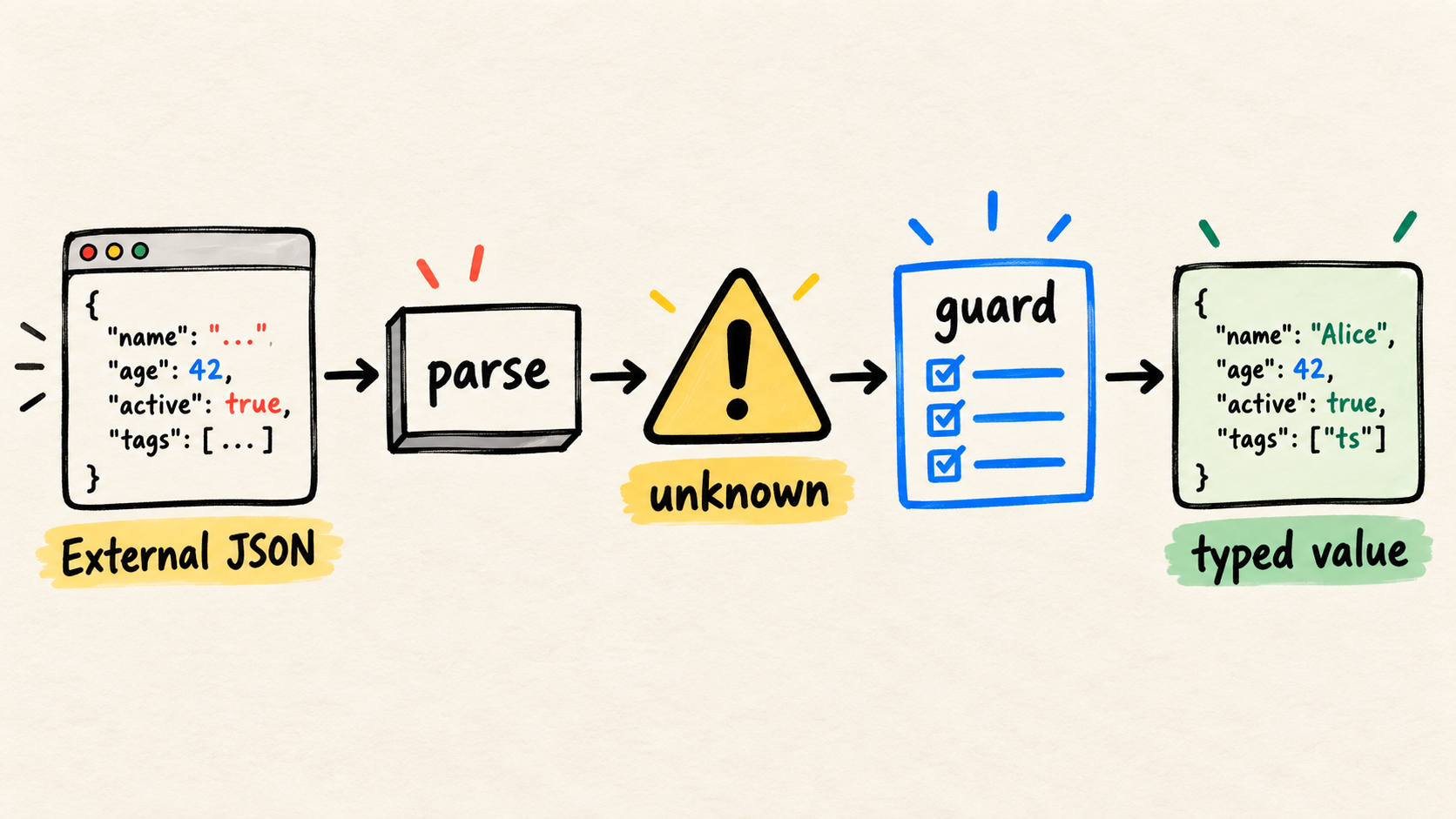
Learn to treat external JSON as unknown, validate nested objects, separate parsing from shape checks, and test the TypeScript boundary.